
Understanding the Science Behind MIG, TIG, and Plasma Cutters: A Comprehensive Guide
2026-05-16


Understanding the Science Behind MIG, TIG, and Plasma Cutters
Table of Contents
1. Introduction to Welding and Cutting Technologies
2. What is MIG Welding?
3. Exploring TIG Welding
4. The Mechanics of Plasma Cutting
5. Comparing MIG, TIG, and Plasma Cutting Technologies
6. Applications of MIG, TIG, and Plasma Cutters
7. Choosing the Right Technology for Your Project
8. Safety Prec
Understanding the Science Behind MIG, TIG, and Plasma Cutters
Table of Contents
- 1. Introduction to Welding and Cutting Technologies
- 2. What is MIG Welding?
- 3. Exploring TIG Welding
- 4. The Mechanics of Plasma Cutting
- 5. Comparing MIG, TIG, and Plasma Cutting Technologies
- 6. Applications of MIG, TIG, and Plasma Cutters
- 7. Choosing the Right Technology for Your Project
- 8. Safety Precautions in Welding and Cutting
- 9. Frequently Asked Questions (FAQs)
- 10. Conclusion
1. Introduction to Welding and Cutting Technologies
The industrial sector relies heavily on welding and cutting technologies for the fabrication and assembly of various components. Understanding the **science behind MIG, TIG, and plasma cutters** is crucial for achieving precision and high-quality results in metal fabrication. Each method has its distinctive features, advantages, and applications, making it essential for professionals to choose the right one for their specific needs.
2. What is MIG Welding?
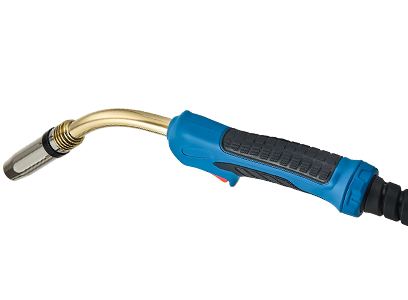
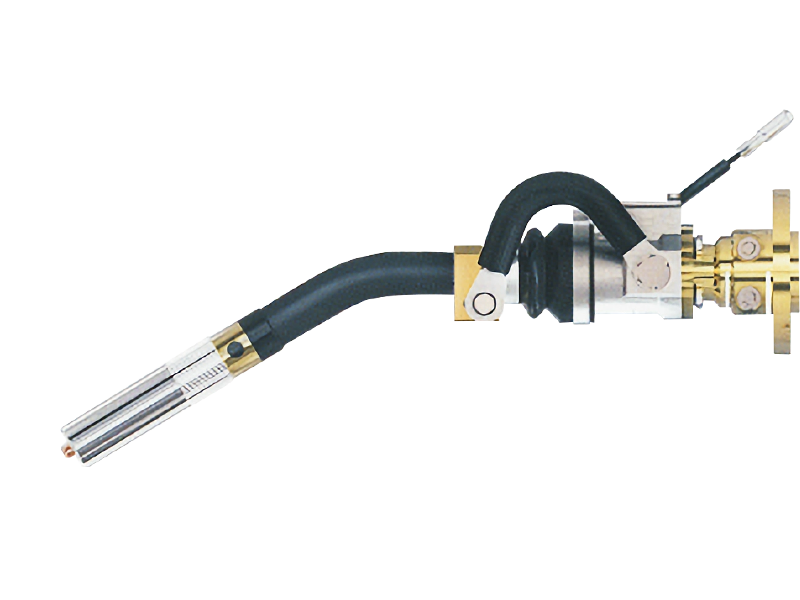
**Metal Inert Gas (MIG)** welding, also known as Gas Metal Arc Welding (GMAW), is one of the most popular welding processes used in the industry today. It involves feeding a continuous solid wire electrode through a welding gun while simultaneously supplying an inert gas, typically argon or helium, to shield the molten weld pool from contaminants.
2.1 The Mechanics of MIG Welding
The basic principle of MIG welding is relatively straightforward. The electric arc created between the wire electrode and the workpiece melts the wire and the base material, allowing them to fuse together. The inert gas shields the weld from atmospheric contamination, which could compromise the strength and integrity of the weld.
2.2 Advantages of MIG Welding
MIG welding offers several advantages, including:
- **Speed and Efficiency**: The continuous wire feed allows for faster welding speeds, making it ideal for large-scale projects.
- **Ease of Use**: MIG welding is often easier to learn compared to other welding processes. The automated wire feeding minimizes the skill required to maintain a consistent weld.
- **Versatility**: This method can be used on various materials, including steel, aluminum, and even some plastics.
3. Exploring TIG Welding
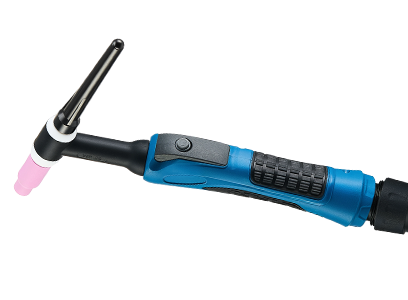
**Tungsten Inert Gas (TIG)** welding, also referred to as Gas Tungsten Arc Welding (GTAW), is another prominent welding technique known for its high precision and control. Unlike MIG welding, TIG welding uses a non-consumable tungsten electrode to produce the weld.
3.1 The Mechanics of TIG Welding
In TIG welding, the welder uses a handheld torch to generate an electric arc between the tungsten electrode and the workpiece. A filler rod can be added manually to the weld pool, allowing for greater control over the amount of material used in the weld.
3.2 Advantages of TIG Welding
TIG welding boasts several benefits, such as:
- **Superior Control**: TIG welding allows for more precise control over the heat input, making it suitable for thin materials and delicate work.
- **Clean Welds**: The shielding gas protects the weld pool, resulting in cleaner and stronger welds with minimal slag.
- **Diverse Applications**: TIG welding is ideal for a wide range of materials, including stainless steel, aluminum, and even exotic alloys.
4. The Mechanics of Plasma Cutting
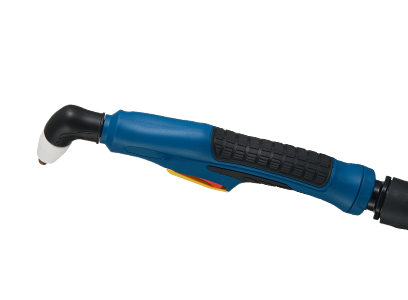
**Plasma cutting** is a process that utilizes a high-velocity jet of ionized gas (plasma) to slice through electrically conductive materials. This method is widely used for its ability to cut thick materials quickly and accurately.
4.1 How Plasma Cutting Works
The plasma cutter generates an electric arc between a tungsten electrode and the workpiece, which ionizes the gas and creates plasma. This plasma is expelled through a nozzle, creating a concentrated stream of energy that melts and blows away the material, creating a clean cut.
4.2 Advantages of Plasma Cutting
Plasma cutting offers unique advantages, including:
- **Speed**: Plasma cutters can cut through thick materials at impressive speeds, making them suitable for high-volume production.
- **Versatility**: They can cut various metals, including stainless steel, aluminum, and copper, with minimal distortion.
- **Minimal Heat Affected Zone (HAZ)**: The concentrated nature of the plasma minimizes the heat affected zone, preserving the integrity of the surrounding material.
5. Comparing MIG, TIG, and Plasma Cutting Technologies
Understanding the differences between MIG, TIG, and plasma cutting is crucial in selecting the appropriate method for a specific project.
5.1 Cost and Equipment
MIG welding equipment is generally more affordable and user-friendly, making it a popular choice for beginners. TIG welding equipment tends to be more expensive due to its complexity and the need for high-quality components. Plasma cutting machines vary in cost depending on the cutting capabilities and features.
5.2 Material Thickness and Type
While MIG welding excels at thicker materials, TIG welding is preferable for thin materials due to its precision. Plasma cutting is ideal for thicker metals but can also handle thinner materials effectively.
5.3 Weld Quality
TIG welding produces the highest quality welds with minimal defects, while MIG welding can have more spatter depending on the settings and operator skill. Plasma cutting creates clean cuts but does not join materials like welding does.
6. Applications of MIG, TIG, and Plasma Cutters
Each welding and cutting technology has its specific applications across various industries.
6.1 MIG Welding Applications
MIG welding is widely used in:
- Automotive manufacturing
- Construction
- Shipbuilding
- General metal fabrication
6.2 TIG Welding Applications
TIG welding is commonly employed in:
- Aerospace industry
- High-end automotive applications
- Artistic metalwork
- Pipe welding
6.3 Plasma Cutting Applications
Plasma cutting serves various industries, including:
- Metal fabrication shops
- Construction and demolition
- Automotive repair
- Art installations
7. Choosing the Right Technology for Your Project
Selecting the right welding or cutting technology depends on several factors, including material type, thickness, desired weld quality, and project budget. For beginners, MIG welding is often recommended due to its ease of use. Professionals working with specialized materials may prefer TIG welding or plasma cutting for their superior precision and versatility.
8. Safety Precautions in Welding and Cutting
Safety is paramount when engaging in welding and cutting operations. Adhering to safety precautions can prevent accidents and injuries.
8.1 Personal Protective Equipment (PPE)
Always wear appropriate PPE, including:
- Welding helmet with proper shade
- Fire-resistant clothing
- Gloves
- Safety boots and goggles
8.2 Ventilation
Ensure proper ventilation in your work area to avoid inhaling harmful fumes and gases produced during welding and cutting processes.
8.3 Fire Safety
Keep a fire extinguisher nearby and be aware of your surroundings to prevent fire hazards, especially in flammable environments.
9. Frequently Asked Questions (FAQs)
9.1 What is the primary difference between MIG and TIG welding?
MIG welding uses a consumable wire electrode and is generally faster and easier, while TIG welding uses a non-consumable tungsten electrode, offering greater control and precision.
9.2 Can plasma cutters be used for welding?
No, plasma cutters are not designed for welding; they are used solely for cutting electrically conductive materials.
9.3 What types of materials can MIG welding be used on?
MIG welding can be effectively used on various materials, including mild steel, stainless steel, and aluminum.
9.4 Is TIG welding difficult to learn?
TIG welding requires more practice and skill than MIG welding due to its precision and manual control over filler material.
9.5 What are the main safety concerns when using plasma cutters?
The primary safety concerns include exposure to high-temperature plasma, hazardous fumes, and fire risks. Proper PPE and ventilation are crucial for safety.
10. Conclusion
Understanding the science behind **MIG, TIG, and plasma cutters** is essential for anyone involved in metal fabrication. Each method has its unique characteristics, advantages, and applications. By choosing the appropriate technology and adhering to safety practices, professionals can achieve high-quality results in their welding and cutting projects. Whether you're enhancing your skills or embarking on a new project, this comprehensive guide serves as a valuable resource for navigating the complexities of welding and cutting technologies.
TAG:
Related Posts
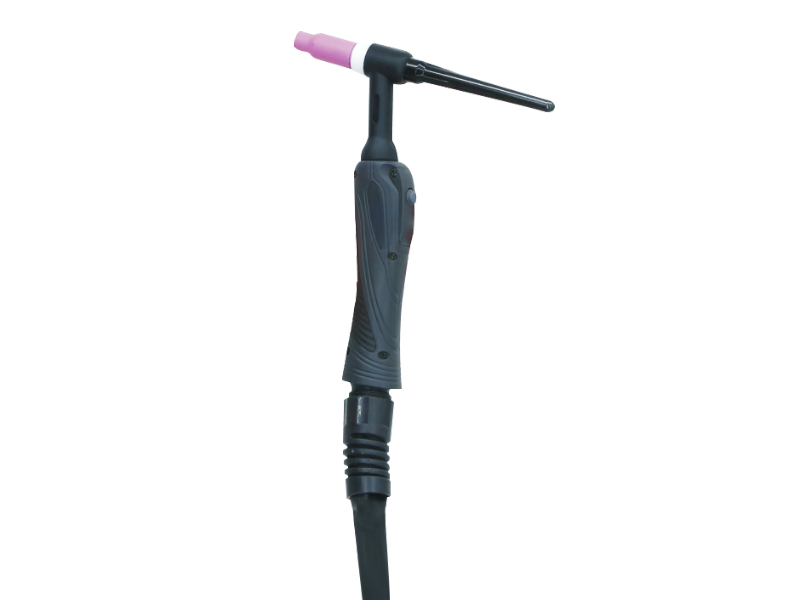
Mastering the Weldcraft TIG Torch: Essential Insights for Professionals
When it comes to precision welding, the Weldcraft TIG torch stands out as a vital tool for professionals. Understanding its features, applications, and maintenance tips can significantly enhance your welding experience, leading to better results and increased productivity.
The Weldcraft TIG torch is designed for tungsten inert gas (TIG) welding, which is known for its ability to produce high-quali


MESSAGES
We will contact you within one working day. Please pay attention to your email.
Qucik Link
Contact
WhatsApp: +8615833370366
E-mail: zhaoyiqian@hrwelding.cn
Address: No. 105 Yongming Street, Dahe Road, East of Renqiu City, Hebei, China