

The Impact of Swan Neck Design on Welding Quality: Enhancing Precision and Efficiency
2026-03-23


The Impact of Swan Neck Design on Welding Quality
Table of Contents
1. Introduction
2. Understanding Swan Neck Design
3. Key Advantages of Swan Neck Design
4. Applications in the Automotive Industry
5. How Swan Neck Design Enhances Welding Quality
6. Best Practices for Using Swan Neck Design
7. Common Challenges and Solutions
8. Future Trends in Welding Design
The Impact of Swan Neck Design on Welding Quality
Table of Contents
- 1. Introduction
- 2. Understanding Swan Neck Design
- 3. Key Advantages of Swan Neck Design
- 4. Applications in the Automotive Industry
- 5. How Swan Neck Design Enhances Welding Quality
- 6. Best Practices for Using Swan Neck Design
- 7. Common Challenges and Solutions
- 8. Future Trends in Welding Design
- 9. FAQs
- 10. Conclusion
1. Introduction
Welding is an essential process in various industries, particularly in automotive manufacturing and repairs. As technology advances, the design of welding equipment continues to evolve, with innovations like the **swan neck design** significantly impacting welding quality. This article delves into the specific ways the swan neck design enhances welding efficiency and precision, making it a crucial element for professionals in the industry.
2. Understanding Swan Neck Design
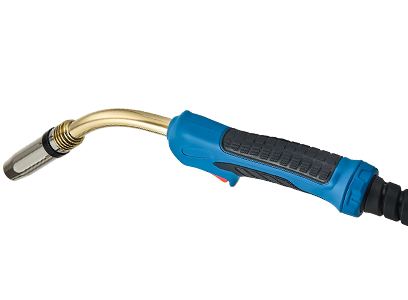
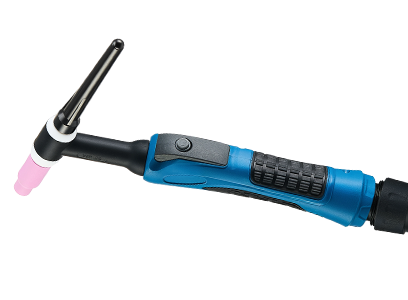
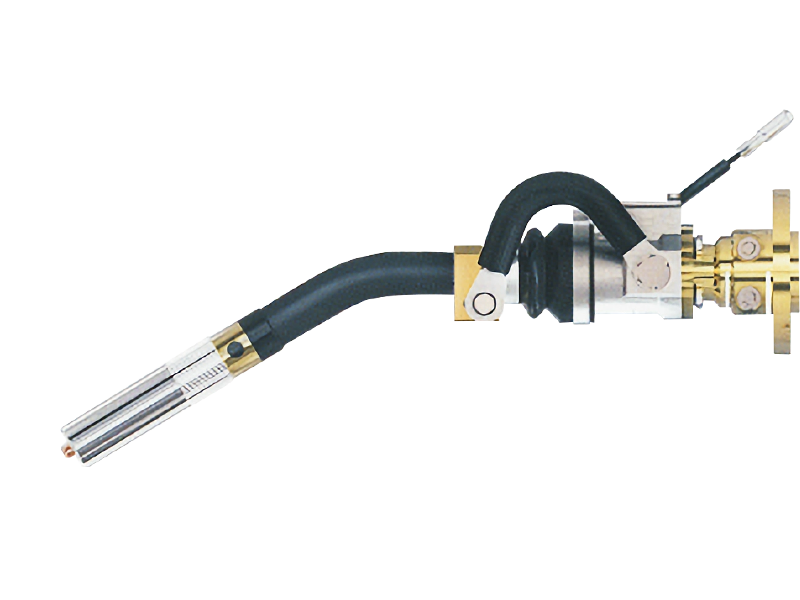
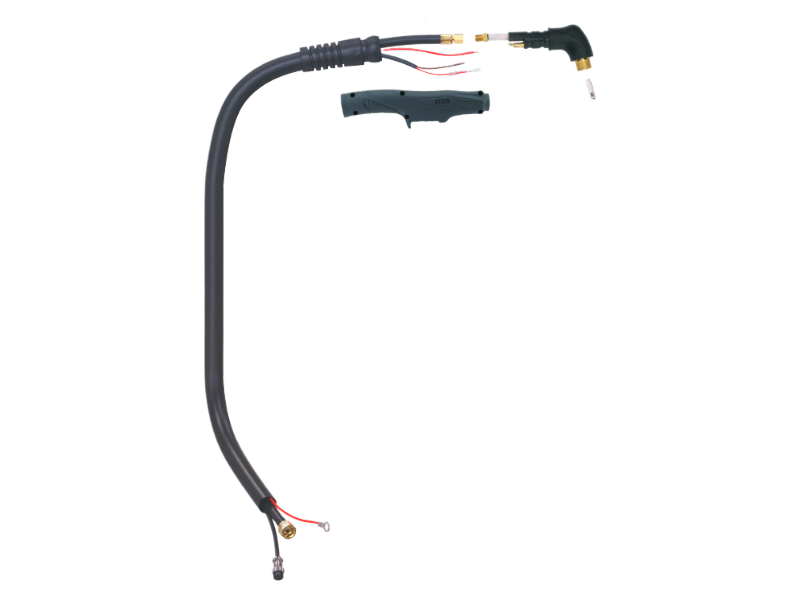
The **swan neck design** refers to a specific configuration of welding torches or nozzles that resemble the neck of a swan. This design allows for increased flexibility and maneuverability, which is vital when welding in tight or complex spaces. The unique curvature of the swan neck enables welders to access hard-to-reach areas while maintaining optimal control over the welding process.
Key Features of Swan Neck Design
Some of the defining characteristics of the swan neck design include:
- **Enhanced Reach**: The elongated neck allows welders to work in confined spaces without compromising on power or control.
- **Versatile Angles**: The design accommodates various angles, enabling welders to adjust their approach depending on the specific requirements of the weld.
- **Improved Heat Distribution**: The configuration helps to achieve better heat distribution, which is critical for achieving high-quality welds.
3. Key Advantages of Swan Neck Design
The swan neck design offers numerous advantages that set it apart from traditional welding torch designs:
Improved Accessibility
Welders often face challenges when trying to reach tight spots or complex geometries. The swan neck's flexibility provides unparalleled access, allowing operators to complete their tasks more efficiently and effectively.
Enhanced Precision
The design contributes to better control over the welding process, leading to higher precision. This is especially important in the automotive industry, where the quality of welds can significantly affect vehicle safety and performance.
Reduced Heat Affected Zone (HAZ)
With better heat control, the swan neck design minimizes the heat affected zone, which is crucial for preventing warping and ensuring the integrity of the materials being welded.
4. Applications in the Automotive Industry
In the automotive sector, the swan neck design is increasingly being utilized for various applications, including:
Body Repair and Restoration
The swan neck's unique design is ideal for accessing difficult-to-reach areas during body repair, ensuring that welds are executed accurately without damaging surrounding components.
Chassis Welding
Chassis work often requires precision welding in confined spaces. The swan neck’s design facilitates this, allowing welders to create strong and reliable joints critical for vehicle safety.
Exhaust System Fabrication
The swan neck design aids in the fabrication of complex exhaust systems, ensuring that each joint is welded correctly to withstand high temperatures and vibrations.
5. How Swan Neck Design Enhances Welding Quality
The swan neck design not only improves accessibility but also plays a significant role in enhancing overall welding quality. Here’s how:
Optimal Gas Flow
The design promotes optimal shielding gas flow, protecting the weld pool from contamination. This is essential for achieving strong, clean welds.
Reduced Operator Fatigue
By allowing for a more comfortable working position, the swan neck design helps reduce operator fatigue. This leads to better focus and, consequently, improved welding quality.
Consistency and Repeatability
The precise control afforded by the swan neck design enables consistent welds across multiple applications, which is crucial for high-volume production environments.
6. Best Practices for Using Swan Neck Design
To fully benefit from the swan neck design, welders should adhere to the following best practices:
Regular Maintenance
Maintaining welding equipment, including the swan neck, is vital for ensuring optimal performance. Clean nozzles and check for wear and tear regularly to avoid issues during welding.
Proper Setup
Ensure that the welding machine settings are adjusted according to the specific swan neck design being used. This includes voltage, amperage, and gas flow settings to enhance welding performance.
Practice and Training
Investing in training for welders on the effective use of swan neck designs can lead to better results. Regular practice helps operators become accustomed to the unique handling characteristics of the swan neck.
7. Common Challenges and Solutions
While the swan neck design offers numerous advantages, it also presents some challenges. Here are common issues and their solutions:
Challenge: Limited Visibility
Due to the configuration of the swan neck, visibility can sometimes be compromised.
**Solution**: Utilize external lighting sources or mirrors to enhance visibility while welding.
Challenge: Increased Complexity
Some welders may find the swan neck design more complex to operate compared to traditional models.
**Solution**: Provide comprehensive training and hands-on practice with the design to boost confidence and skill levels.
8. Future Trends in Welding Design
The welding industry is continuously evolving, and the swan neck design is likely to see further innovations. Potential trends include:
Integration of Smart Technology
The incorporation of smart technologies, such as sensors that provide real-time feedback on weld quality, can further enhance the capabilities of swan neck designs.
Customizable Designs
As industry needs evolve, the demand for customizable swan neck designs to cater to specific applications is likely to increase, allowing for greater versatility and efficiency.
9. FAQs
What is a swan neck design in welding?
A swan neck design refers to a specific configuration of welding torches that provides enhanced reach and control, making it easier to weld in tight spaces.
How does the swan neck design improve welding quality?
It enhances precision, allows for optimal gas flow, and reduces the heat affected zone, all of which contribute to higher quality welds.
What industries benefit from swan neck welding technology?
Industries such as automotive manufacturing, aerospace, and construction benefit significantly from the precision and accessibility provided by swan neck designs.
Are there any downsides to using swan neck designs?
Some welders may find the design complex or experience limited visibility in certain applications, but proper training and use of additional lighting can mitigate these issues.
How can I maintain my swan neck welding equipment?
Regularly clean the nozzles, check for wear, and ensure that all settings on your welding machine are optimized for the specific swan neck design being used.
10. Conclusion
The **swan neck design** in welding significantly impacts welding quality, enhancing precision, efficiency, and accessibility in various applications. As the industry evolves, embracing this innovative design will be crucial for professionals seeking to improve their welding processes. By understanding its benefits, implementing best practices, and staying informed about future trends, welders can ensure they remain at the forefront of their field, delivering high-quality results consistently.
TAG:
Related Posts
The Impact of Swan Neck Design on Welding Quality: Enhancing Precision and Efficiency
The Impact of Swan Neck Design on Welding Quality
Table of Contents
1. Introduction
2. Understanding Swan Neck Design
3. Key Advantages of Swan Neck Design
4. Applications in the Automotive Industry
5. How Swan Neck Design Enhances Welding Quality
6. Best Practices for Using Swan Neck Design
7. Common Challenges and Solutions
8. Future Trends in Welding Design

MESSAGES
We will contact you within one working day. Please pay attention to your email.
Qucik Link
Contact
WhatsApp: +8615833370366
E-mail: zhaoyiqian@hrwelding.cn
Address: No. 105 Yongming Street, Dahe Road, East of Renqiu City, Hebei, China