
Comparing Swan Neck Options: A Comprehensive Guide for Automotive Professionals
2026-01-22


Comparing Swan Neck Options: What You Need to Know
Table of Contents
1. Introduction to Swan Neck Options in Automotive Welding
2. Types of Swan Necks Available
2.1 Fixed Swan Necks
2.2 Flexible Swan Necks
2.3 Specialized Swan Necks
3. Applications of Swan Neck Options in Automotive Repair
4. Advantages of Using Swan Neck Welding Equipment
Comparing Swan Neck Options: What You Need to Know
Table of Contents
- 1. Introduction to Swan Neck Options in Automotive Welding
- 2. Types of Swan Necks Available
- 3. Applications of Swan Neck Options in Automotive Repair
- 4. Advantages of Using Swan Neck Welding Equipment
- 5. How to Choose the Right Swan Neck for Your Needs
- 6. Maintenance Tips for Swan Neck Welding Equipment
- 7. Frequently Asked Questions
- 8. Conclusion
1. Introduction to Swan Neck Options in Automotive Welding
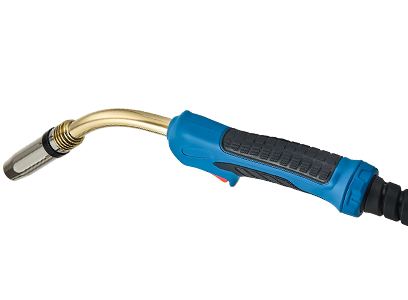
In the automotive repair industry, having the right tools is essential for efficient and effective work. One of the critical components in welding equipment is the **swan neck**. This specialized component allows welders to maneuver their tools in tight spaces while providing control and precision. As we delve into the various **swan neck options**, we aim to equip automotive professionals with knowledge to make informed decisions based on their specific needs.
2. Types of Swan Necks Available
Swan necks come in several types, each suited for different applications in automotive welding. Understanding these types will help you select the right one for your specific tasks.
2.1 Fixed Swan Necks
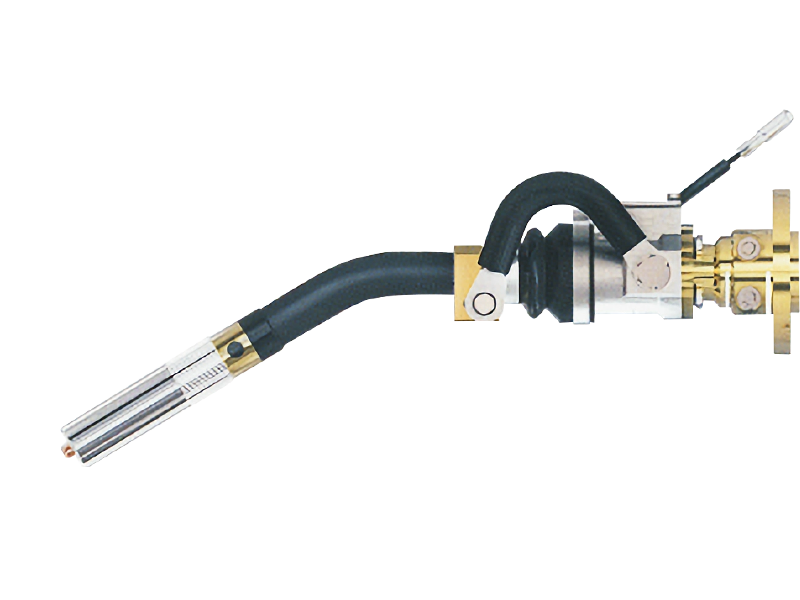
Fixed swan necks are rigid and do not allow for movement or adjustment. They are typically used in situations where the welding position is predetermined. These swan necks are preferred for their stability and ease of use, especially in repetitive tasks. However, their lack of flexibility can be a drawback in intricate repairs.
2.2 Flexible Swan Necks
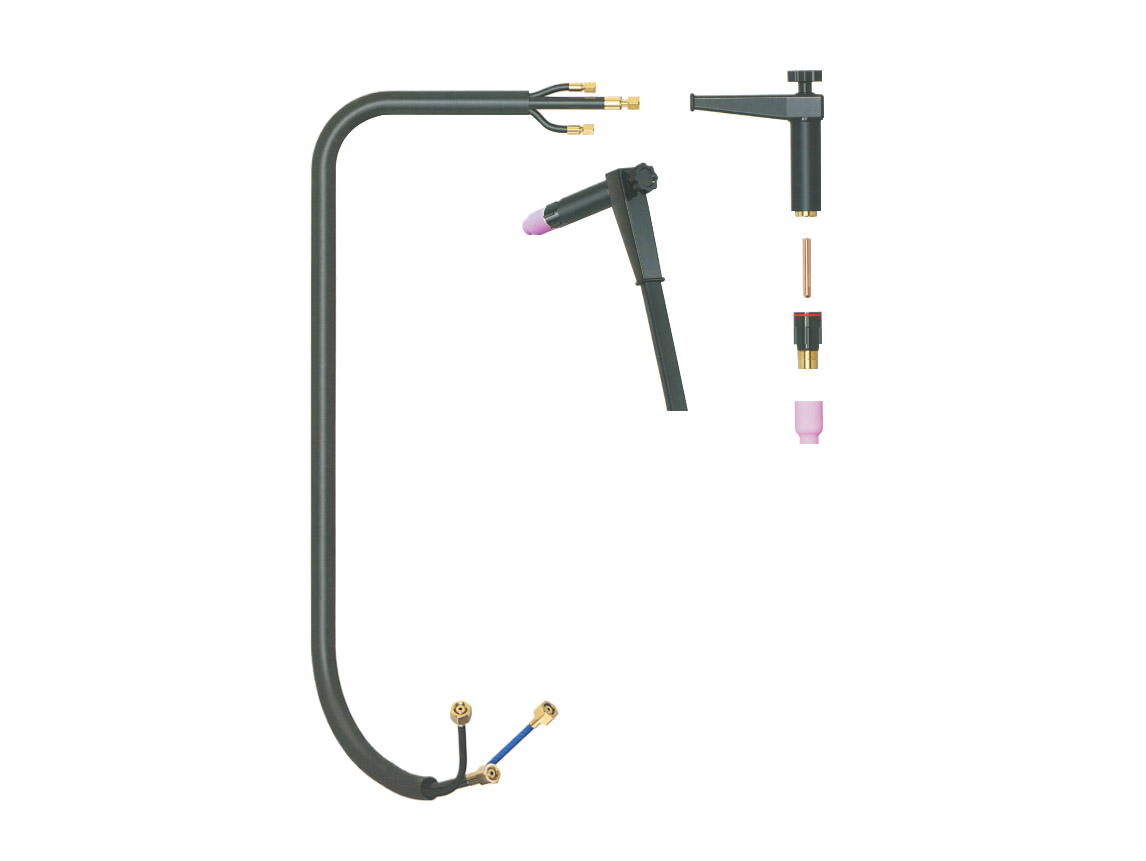
Flexible swan necks offer versatility with adjustable angles, allowing welders to navigate around obstacles and reach tight spots more easily. This type is beneficial for intricate welding jobs where precision is crucial. However, the added flexibility can sometimes lead to reduced stability, making it a delicate balance between control and maneuverability.
2.3 Specialized Swan Necks
Specialized swan necks are designed for specific applications or environments. For instance, some are engineered to withstand high temperatures or corrosive environments, while others may come with built-in features for enhanced performance. Understanding your unique needs will help you identify whether a specialized swan neck is the correct choice for your operations.
3. Applications of Swan Neck Options in Automotive Repair
The application of swan neck options in automotive repair is broad, with each type contributing uniquely to the welding process. Common uses include:
- **Body Repair:** Swan necks enable welders to access tight spaces in vehicle frames and body panels, ensuring accurate and clean welds.
- **Exhaust System Fabrication:** The flexibility of certain swan necks allows for effective welding in cramped quarters typical of exhaust systems.
- **Chassis Work:** Fixed swan necks can provide the necessary stability for welding suspension components and brackets.
Each application emphasizes the importance of selecting the appropriate swan neck type to optimize workflow and results.
4. Advantages of Using Swan Neck Welding Equipment
Investing in swan neck options can significantly enhance your welding capabilities. Here are some advantages:
- **Precision:** The design of swan necks allows for greater control, resulting in higher-quality welds.
- **Versatility:** With flexible options available, welders can adapt to various tasks without needing to change equipment.
- **Accessibility:** Swan necks provide better access to challenging areas, reducing the time spent repositioning equipment.
- **Durability:** Quality swan necks are built to withstand the rigors of automotive repair, offering long-lasting performance.
These advantages highlight the importance of choosing the right swan neck for your specific welding applications.
5. How to Choose the Right Swan Neck for Your Needs
Selecting the appropriate swan neck requires careful consideration of several factors:
- **Type of Work:** Assess the types of repairs you frequently perform. For intricate tasks, a flexible swan neck may be more beneficial.
- **Material Compatibility:** Ensure the swan neck is suitable for the materials you work with most often, whether it's steel, aluminum, or composite materials.
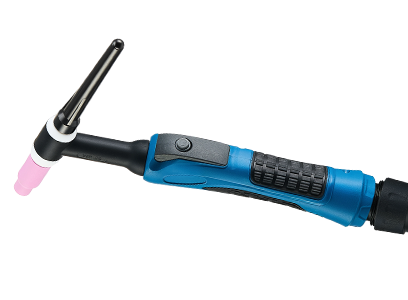
- **Welding Process:** Consider the welding process you employ (MIG, TIG, etc.) and ensure the swan neck aligns with the equipment used.
- **Budget:** While quality is essential, identify options within your budget that do not compromise on performance.
By evaluating these factors, you can make an informed decision that enhances your welding efficiency.
6. Maintenance Tips for Swan Neck Welding Equipment
Proper maintenance of swan necks is crucial for ensuring longevity and performance. Here are some tips to keep your equipment in top condition:
- **Regular Inspection:** Frequently check for wear and tear, especially on flexible components. Look for cracks or material fatigue that may affect performance.
- **Cleanliness:** Keep the swan neck clean to prevent contamination and ensure consistent welding quality. Use appropriate cleaning agents that do not damage the materials.
- **Lubrication:** If applicable, ensure that moving parts are properly lubricated to reduce friction and wear.
- **Storage:** Store swan necks in a designated area to prevent accidental damage. Avoid placing heavy items on top of them.
By adhering to these maintenance practices, you can extend the lifespan of your swan neck equipment and maintain high-quality welds.
7. Frequently Asked Questions
What is the primary function of a swan neck in welding?
The primary function of a swan neck is to provide better access to tight spaces and enhance the precision of welding tasks.
Are flexible swan necks better than fixed ones?
It depends on the application. Flexible swan necks offer versatility, while fixed swan necks provide stability for repetitive tasks.
Can I use the same swan neck for different welding processes?
While some swan necks are compatible with various processes, always check the specifications to ensure they match your welding equipment.
How often should I inspect my swan necks?
Regular inspections should be conducted before and after each use to identify any signs of wear or damage.
What materials are swan necks typically made from?
Swan necks are often made from durable metals or alloys able to withstand high temperatures and corrosive environments.
8. Conclusion
In conclusion, understanding the different options available for swan necks in automotive welding is essential for making informed decisions that enhance your workflow and the quality of your repairs. From fixed to flexible and specialized options, each type serves unique applications and offers distinct advantages. By considering your specific needs, maintaining your equipment, and understanding the advantages, you can maximize efficiency and ensure high-quality welding results. Investing time in selecting the right swan neck will ultimately lead to improved performance in your automotive repair endeavors.
TAG:
Related Posts
Selecting Your TIG Consumables Kit: Essential Factors to Consider for Optimal Welding Performance
Selecting Your TIG Consumables Kit: Essential Factors to Consider for Optimal Welding Performance
When it comes to TIG welding, your choice of consumables can significantly impact the quality of your work. Whether you’re a seasoned professional or a hobbyist, selecting the right TIG consumables kit is crucial for achieving optimal results. This article dives deep into the essential factors you sho

MESSAGES
We will contact you within one working day. Please pay attention to your email.
Qucik Link
Contact
WhatsApp: +8615833370366
E-mail: zhaoyiqian@hrwelding.cn
Address: No. 105 Yongming Street, Dahe Road, East of Renqiu City, Hebei, China