
Safety First: Best Practices for Operating MIG, TIG, and Plasma Cutters
2026-01-16


Safety First: Best Practices for Operating MIG, TIG, and Plasma Cutters
Table of Contents
Introduction to Cutting Equipment
Essential Safety Gear for Welders and Cutters
Understanding MIG, TIG, and Plasma Cutters
Pre-Operational Safety Checks
Operational Best Practices
Post-Operational Safety Measures
Troubleshooting Common Issues
Frequently Asked Questions
Con
Safety First: Best Practices for Operating MIG, TIG, and Plasma Cutters
Table of Contents
- Introduction to Cutting Equipment
- Essential Safety Gear for Welders and Cutters
- Understanding MIG, TIG, and Plasma Cutters
- Pre-Operational Safety Checks
- Operational Best Practices
- Post-Operational Safety Measures
- Troubleshooting Common Issues
- Frequently Asked Questions
- Conclusion
Introduction to Cutting Equipment
Operating MIG (Metal Inert Gas), TIG (Tungsten Inert Gas), and plasma cutters involves intricate processes that require precision and safety. These tools are essential in various manufacturing and repair industries, providing the ability to cut through metals effectively. However, the risks associated with their operation cannot be overlooked. By following best practices, individuals can enhance their safety while maximizing productivity.
Essential Safety Gear for Welders and Cutters
Before engaging in any cutting activity, it's imperative to wear the appropriate safety gear. This gear not only protects the operator but also enhances comfort and efficiency.
1. Personal Protective Equipment (PPE)
Investing in quality **personal protective equipment** is non-negotiable. The following items should be included in your **safety gear**:
- Welding Helmet: A helmet with adequate shading is crucial for protecting the eyes from harmful UV and IR radiation.
- Face Shield: In addition to the helmet, a face shield protects against flying particles.
- Gloves: Heat-resistant gloves prevent burns and provide grip.
- Protective Clothing: Wear flame-resistant clothing that covers the skin to minimize exposure to sparks and heat.
- Foot Protection: Steel-toed boots safeguard against heavy equipment and sharp metal pieces.
2. Respiratory Protection
Depending on the materials being cut or welded, respiratory protection may be necessary. Use **respirators** or **ventilation systems** to mitigate exposure to harmful fumes and gases.
Understanding MIG, TIG, and Plasma Cutters
A clear understanding of different cutting technologies is essential for safe operation. Each type of cutter serves specific purposes and involves unique techniques.
MIG Cutters
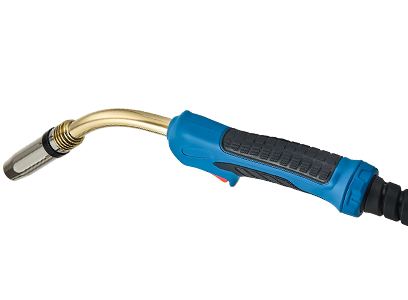
MIG welding utilizes a continuous wire feed as an electrode and is known for its speed and efficiency. It is suitable for thicker materials and can be used in various positions.
TIG Cutters
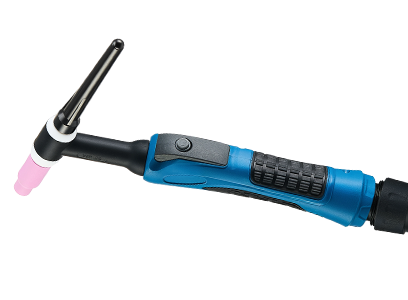
TIG welding is characterized by its precision and control. It uses a non-consumable tungsten electrode and can be applied to thin materials and intricate designs. This method provides a cleaner finish but requires a higher skill level.
Plasma Cutters
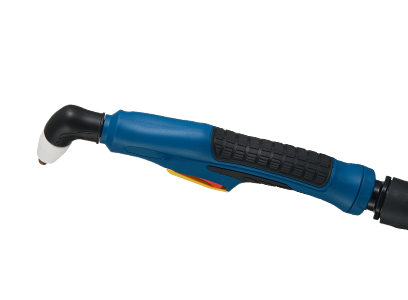
Plasma cutting involves using high-velocity ionized gas to cut through conductive materials. This method is versatile and can handle various thicknesses effectively, making it popular in industrial applications.
Pre-Operational Safety Checks
Before beginning any cutting operation, performing thorough safety checks is vital to ensure that equipment is functioning correctly and safely.
1. Inspection of Equipment
Conduct a detailed inspection of the MIG, TIG, or plasma cutter, checking for any signs of damage or wear. Ensure that all cables, hoses, and connectors are intact and properly secured.
2. Work Area Assessment
Evaluate the work environment for potential hazards. Ensure that there is adequate clearance and that flammable materials are kept at a safe distance.
3. Emergency Equipment
Have emergency equipment readily available, including fire extinguishers and first aid kits. Ensure all personnel know their location and how to use them.
Operational Best Practices
Once all safety checks are complete, the following practices should be adopted to ensure safe and effective operation.
1. Proper Technique and Posture
Adopting the correct technique while using cutting equipment is crucial. Maintain a stable posture and use both hands when operating the cutter for better control.
2. Maintaining a Safe Distance
Always keep a safe distance from the cutting area. Ensure bystanders are at least 10 feet away to avoid injuries from sparks and debris.
3. Managing Power Supply
Before connecting the cutter to an electrical supply, ensure that the power source matches the equipment specifications. Use properly grounded outlets and avoid overloading circuits.
4. Monitoring Environment Conditions
Be aware of your surroundings while operating cutting equipment. Avoid working in windy conditions with plasma cutting, as it can affect the quality of the cut and pose a risk.
Post-Operational Safety Measures
After completing the cutting operation, follow these measures to maintain safety and equipment integrity.
1. Equipment Cleanliness
Clean the equipment thoroughly after use. Remove any metal shavings, dust, or debris that may have accumulated during operation.
2. Proper Storage
Store the equipment in a designated area, ensuring that it is protected from damage and accessible for future use. Keep all safety gear stored with the equipment.
3. Incident Reporting
If any incidents or near misses occur, report them to a supervisor immediately. This promotes a culture of safety and helps prevent future occurrences.
Troubleshooting Common Issues
Understanding how to address common equipment issues can enhance safety and efficiency.
1. Inconsistent Cutting Quality
If the cutter produces uneven cuts, inspect the nozzle and electrode for damage. Regular cleaning and maintenance can prevent this issue.
2. Equipment Overheating
If the cutter becomes excessively hot, check for proper ventilation and cooling. Ensure that the equipment is not overloaded and that duty cycles are respected.
3. Electrical Issues
For electrical problems, ensure that all connections are secure and check for frayed wires. If issues persist, consult a professional technician for repairs.
Frequently Asked Questions
What is the difference between MIG and TIG welding?
MIG welding uses a consumable wire electrode for faster operations, while TIG welding employs a non-consumable tungsten electrode, allowing for more precise control and cleaner welds.
How do I maintain my plasma cutter?
Regular maintenance includes cleaning the nozzle and electrode, checking gas flow, and inspecting cables and connections for wear.
What safety measures should I take when operating a plasma cutter?
Always wear appropriate PPE, maintain a clean work area, and ensure that emergency equipment is accessible.
Can I use a MIG or TIG welder outdoors?
Yes, but ensure to monitor environmental conditions, especially wind, which can affect the quality of the weld or cut.
What should I do if my equipment malfunctions during use?
Immediately stop using the equipment and disconnect it from the power source. Assess the issue and report it to a supervisor if necessary.
Conclusion
Ensuring safety while operating MIG, TIG, and plasma cutters is paramount in any industrial setting. By adhering to best practices from wearing appropriate safety gear to performing thorough equipment checks, operators can significantly reduce the risk of accidents and injuries. Understanding the unique characteristics of each cutting technology and implementing effective operational techniques will not only enhance safety but also improve the quality of work produced. Prioritize safety to create a productive and secure working environment, empowering you to achieve superior results in your cutting and welding tasks.
TAG:
Related Posts
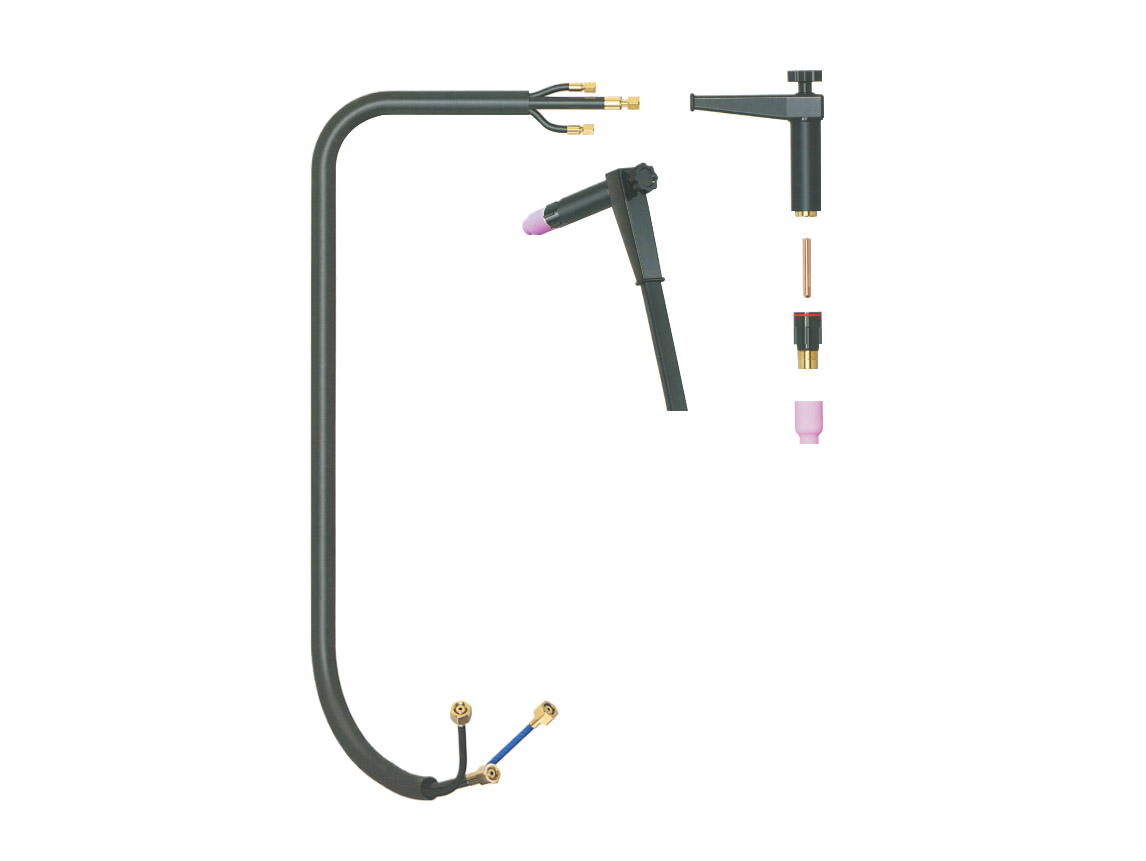
Selecting Your TIG Consumables Kit: Essential Factors to Consider for Optimal Welding Performance
Selecting Your TIG Consumables Kit: Essential Factors to Consider for Optimal Welding Performance
When it comes to TIG welding, your choice of consumables can significantly impact the quality of your work. Whether you’re a seasoned professional or a hobbyist, selecting the right TIG consumables kit is crucial for achieving optimal results. This article dives deep into the essential factors you sho

MESSAGES
We will contact you within one working day. Please pay attention to your email.
Qucik Link
Contact
WhatsApp: +8615833370366
E-mail: zhaoyiqian@hrwelding.cn
Address: No. 105 Yongming Street, Dahe Road, East of Renqiu City, Hebei, China