
Understanding Water Cooled MIG Welding Machines: A Comprehensive Overview
2025-12-20


Water cooled MIG welding machines represent a significant advancement in the welding industry, particularly for applications that require sustained high performance and efficiency. These machines utilize a water cooling system, which helps to manage the heat generated during the welding process. As a result, they are well-suited for heavy-duty applications, minimizing the risk of overheating and e
Water cooled MIG welding machines represent a significant advancement in the welding industry, particularly for applications that require sustained high performance and efficiency. These machines utilize a water cooling system, which helps to manage the heat generated during the welding process. As a result, they are well-suited for heavy-duty applications, minimizing the risk of overheating and ensuring consistent weld quality.
One of the primary advantages of water cooled MIG welding machines is their ability to handle higher amperages. Traditional air-cooled systems often struggle at elevated power levels, leading to potential overheating and reduced performance. In contrast, the water cooling mechanism effectively dissipates heat, allowing operators to work with higher duty cycles without sacrificing performance. This capability is particularly beneficial in industries where productivity and efficiency are paramount, such as shipbuilding, automotive manufacturing, and heavy equipment fabrication.
Another key feature of these machines is their ability to maintain a stable operating temperature. This stability not only enhances the quality of the welds but also prolongs the lifespan of the welding equipment. Consistent temperature control prevents thermal expansion and contraction, which can lead to defects in the weld pool. By maintaining optimal conditions, water cooled MIG welding machines ensure cleaner and more reliable welds, which is critical in applications requiring high structural integrity.
In addition to their technical advantages, water cooled MIG welding machines often come equipped with advanced features such as digital displays, programmable settings, and integration with sophisticated welding software. These features enhance usability and provide welders with precise control over their work. Users can easily adjust parameters such as voltage, wire feed speed, and cooling rates to suit specific materials and welding conditions, leading to improved overall outcomes.
Maintenance is another crucial aspect when considering water cooled MIG welding machines. While the water cooling system can enhance performance, it is essential to ensure that the water is regularly checked and replaced to prevent contamination and blockages. Furthermore, operators should inspect hoses and connections for leaks or wear and tear to maintain efficiency and safety during operation.
In summary, water cooled MIG welding machines provide a powerful solution for professionals in the welding industry, offering superior performance, enhanced weld quality, and greater operational efficiency. With their ability to manage high heat and maintain consistent temperatures, these machines are invaluable tools for demanding welding applications. Understanding their capabilities and maintenance requirements can significantly benefit welders aiming to achieve superior results in their projects.
TAG:
Related Posts
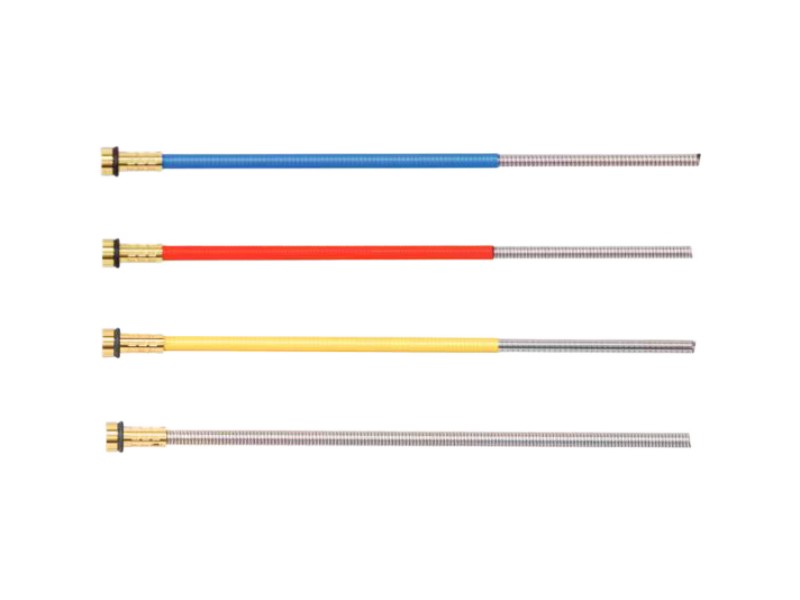
The Essential Role of MIG Welding Torch Accessories in Professional Projects
The Essential Role of MIG Welding Torch Accessories in Professional Projects
Table of Contents
1. Introduction to MIG Welding Torch Accessories
2. Importance of MIG Welding Torch Accessories in Professional Projects
3. Types of MIG Welding Torch Accessories
3.1. Nozzles
3.2. Contact Tips
3.3. Liners
3.4. Diffusers
3.
MESSAGES
We will contact you within one working day. Please pay attention to your email.
Qucik Link
Contact
WhatsApp: +8615833370366
E-mail: zhaoyiqian@trevor-welding.com
Address: No. 105 Yongming Street, Dahe Road, East of Renqiu City, Hebei, China


