
Unlocking the Secrets of MIG Welding Robots: How They Work
2025-09-26


Introduction to MIG Welding Robots
MIG welding robots, or Metal Inert Gas welding robots, are the unsung heroes of modern manufacturing. They've transformed the way we think about welding, bringing speed, precision, and efficiency to the forefront. But how do these mechanical marvels actually work? Let's dive in and explore!
The Basics of MIG Welding
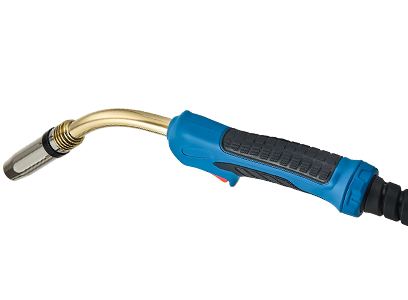
Before we get into the nitty-gritty of a MIG welding robot, let's brush up on the basics. MIG welding is a semi-automatic process that uses a continuous solid wire electrode, fed through a welding gun, to join metals together. A shielding gas, typically argon or a mix of argon and carbon dioxide, protects the weld from contaminants. Simple, right?
How a MIG Welding Robot Works
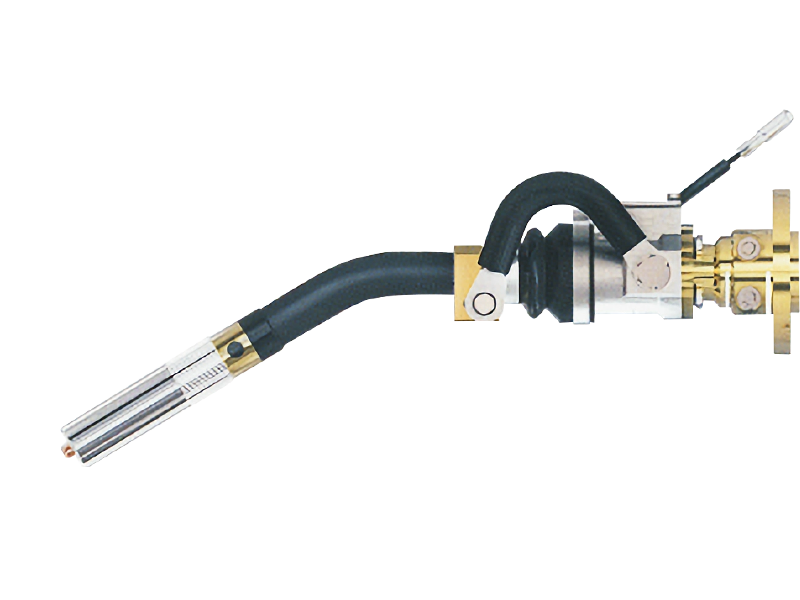
Now, here's where the magic happens! A MIG welding robot combines the principles of traditional MIG welding with advanced robotics technology. It operates through a series of steps:
1. Programming the Robot
First things first, you've got to program the robot. This involves setting up the path it will follow, the speed of the welding torch, and the exact parameters for the weld. It's like drawing a map for the robot to follow!
2. Positioning
Once programmed, the MIG welding robot uses its articulated arms to position itself precisely. This is where the robot shines—no more awkward angles or shaky hands!
3. Welding Process
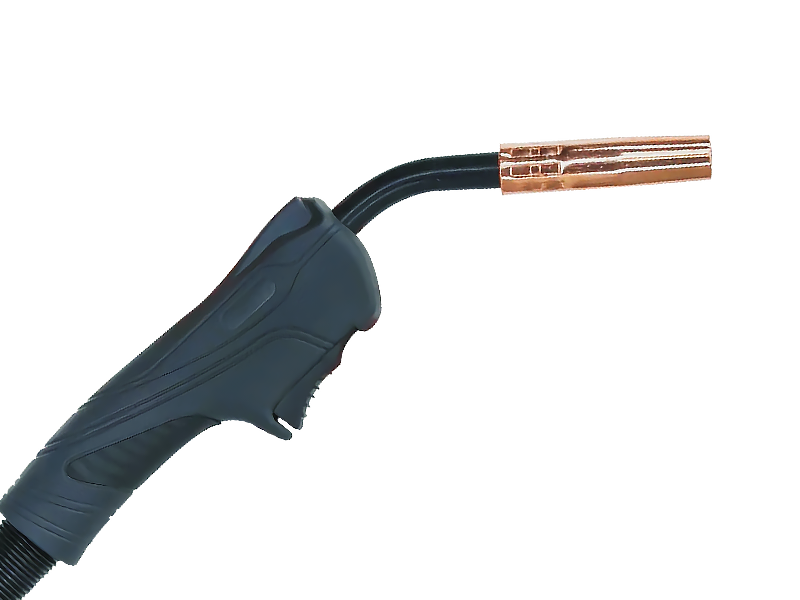
When everything's set, the robot activates the welding gun. The wire electrode is fed through the gun and melts to create a weld pool, while the shielding gas flows around it to protect it from the air. Talk about teamwork!
Advantages of Using MIG Welding Robots
So, why should manufacturers consider using a MIG welding robot? Here are a few reasons:
- Precision: Robots are programmed to weld exactly where they need to, minimizing human error.
- Speed: With a MIG welding robot, production times can be slashed, allowing for faster turnaround.
- Consistency: Robots can replicate the same weld over and over, ensuring uniform quality.
- Safety: By taking over the more dangerous aspects of welding, robots help keep human workers safe.
Challenges in MIG Welding Robot Implementation
Of course, it's not all sunshine and roses. Implementing a MIG welding robot does come with its challenges:
- Cost: The initial investment can be hefty, which might deter smaller companies.
- Training: Employees need to be trained not just to operate the robot, but to troubleshoot and maintain it as well.
- Adaptability: Not all tasks are suitable for automation, and some processes may still require a skilled human touch.
The Future of MIG Welding Robots
As technology continues to advance, the future looks bright for MIG welding robots. With innovations in AI and machine learning, these robots will likely become even smarter and more capable. Imagine a robot that can learn from its mistakes and adjust its welding techniques in real-time! The possibilities are endless.
Conclusion
To wrap it all up, MIG welding robots are revolutionizing the welding industry by enhancing efficiency, precision, and safety. While there are challenges to overcome, the benefits far outweigh them. So, whether you're already using one or considering diving into the world of robotic welding, know that you're part of an exciting and game-changing field.
TAG:
Related Posts
Unlocking the Benefits of Water Cooled MIG Welding Machines: Your Comprehensive Guide

MESSAGES
We will contact you within one working day. Please pay attention to your email.
Qucik Link
Contact
WhatsApp: +8615833370366
E-mail: zhaoyiqian@hrwelding.cn
Address: No. 105 Yongming Street, Dahe Road, East of Renqiu City, Hebei, China