
Optimizing Your TIG Torch Hose: Essential Insights for Welding Professionals
2025-04-16


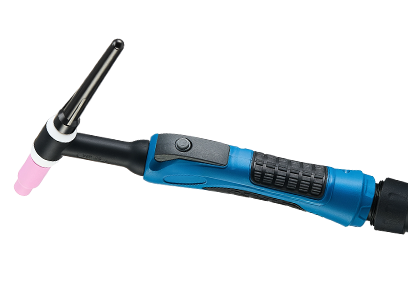
When it comes to TIG welding, the torch hose is an integral part of the equipment that connects the torch to the gas supply. A well-functioning TIG torch hose ensures a steady flow of shielding gas, which is essential for producing high-quality welds. Understanding the characteristics of TIG torch hoses can help you make informed decisions regarding your welding setup.
One of the primary considera
When it comes to TIG welding, the torch hose is an integral part of the equipment that connects the torch to the gas supply. A well-functioning TIG torch hose ensures a steady flow of shielding gas, which is essential for producing high-quality welds. Understanding the characteristics of TIG torch hoses can help you make informed decisions regarding your welding setup.
One of the primary considerations when selecting a TIG torch hose is its material. Most hoses are made from rubber or synthetic materials, which offer flexibility and durability. Rubber hoses are known for their excellent resistance to heat and abrasion, making them suitable for various welding applications. Additionally, synthetic materials can provide enhanced flexibility, allowing for easier maneuverability during welding processes.
Another important aspect is the diameter of the hose. A larger diameter hose can deliver gas more efficiently, which is critical for achieving optimal welding conditions. It's essential to ensure that the hose diameter matches the specifications of your TIG torch to maintain the correct gas flow rate. A mismatch can lead to inconsistent gas delivery, potentially compromising the quality of your weld.
In addition to material and diameter, the length of the TIG torch hose plays a significant role in your welding setup. Longer hoses allow for greater freedom of movement, but they can also introduce pressure drops that may affect gas flow. It's crucial to strike a balance between length and performance to ensure effective welding without unnecessary complications.
Maintaining your TIG torch hose is equally important for ensuring longevity and performance. Regularly inspect the hose for signs of wear or damage, such as cracks or leaks. If you notice any issues, it’s advisable to replace the hose before proceeding with welding to avoid potential hazards. Additionally, keeping the hose clean and free from debris helps maintain optimal gas flow and prevents contamination.
In conclusion, the TIG torch hose is a vital component of your welding setup that demands careful consideration. By understanding the materials, diameters, and maintenance practices, you can enhance your welding efficiency and produce superior welds. Investing time in selecting and maintaining the right TIG torch hose is a step towards achieving excellence in your welding projects.
TAG:
Related Posts
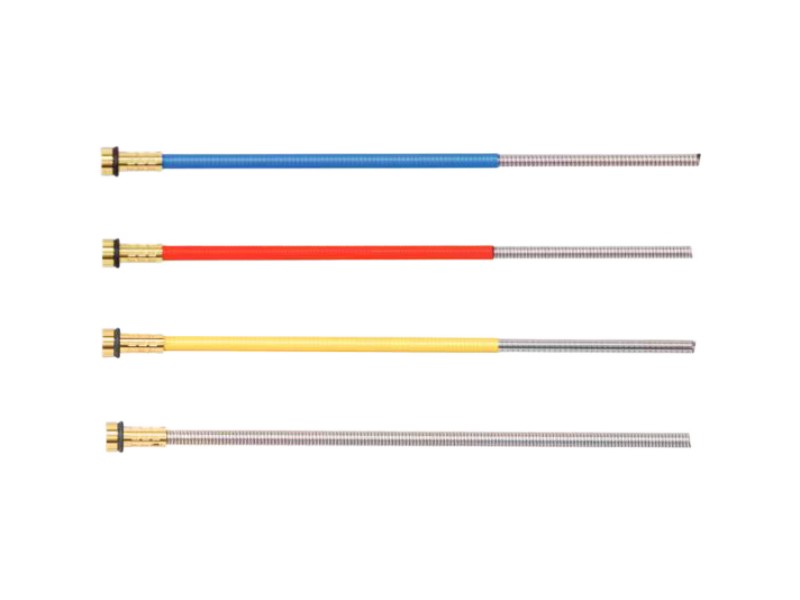
The Essential Role of MIG Welding Torch Accessories in Professional Projects
The Essential Role of MIG Welding Torch Accessories in Professional Projects
Table of Contents
1. Introduction to MIG Welding Torch Accessories
2. Importance of MIG Welding Torch Accessories in Professional Projects
3. Types of MIG Welding Torch Accessories
3.1. Nozzles
3.2. Contact Tips
3.3. Liners
3.4. Diffusers
3.
MESSAGES
We will contact you within one working day. Please pay attention to your email.
Qucik Link
Contact
WhatsApp: +8615833370366
E-mail: zhaoyiqian@trevor-welding.com
Address: No. 105 Yongming Street, Dahe Road, East of Renqiu City, Hebei, China


