
Essential Maintenance Tips for Your MIG Welder Swan Neck: Keeping It in Top Condition
2025-04-11


Essential Maintenance Tips for Your MIG Welder Swan Neck: Keeping It in Top Condition
Table of Contents
Introduction to MIG Welder Swan Neck Maintenance
Understanding MIG Welding and Its Components
The Importance of Proper Swan Neck Care
Conducting Regular Inspections of Your Swan Neck
Cleaning and Maintenance Procedures for Swan Neck
Troubleshooting Common Swan Neck Issue
Essential Maintenance Tips for Your MIG Welder Swan Neck: Keeping It in Top Condition
Table of Contents
- Introduction to MIG Welder Swan Neck Maintenance
- Understanding MIG Welding and Its Components
- The Importance of Proper Swan Neck Care
- Conducting Regular Inspections of Your Swan Neck
- Cleaning and Maintenance Procedures for Swan Neck
- Troubleshooting Common Swan Neck Issues
- When and How to Replace Damaged Swan Neck Parts
- Best Practices for Maintaining Your MIG Welder Swan Neck
- Frequently Asked Questions (FAQs)
- Conclusion
Introduction to MIG Welder Swan Neck Maintenance
MIG (Metal Inert Gas) welding is a widely used technique in various industries, from automotive repair to construction. One crucial component of the MIG welding setup is the swan neck, which serves as the conduit for the welding wire and shielding gas. Proper maintenance of the swan neck is essential for ensuring high-quality welds, reducing downtime, and prolonging the lifespan of your welding equipment. Understanding how to care for this component can make a significant difference in the efficiency and effectiveness of your welding projects.
Understanding MIG Welding and Its Components
MIG welding involves feeding a continuous solid wire electrode through the welding gun and into the weld pool. This process is shielded by an inert gas, which protects the molten weld from contamination. The major components of a MIG welder include:
1. The Welding Gun
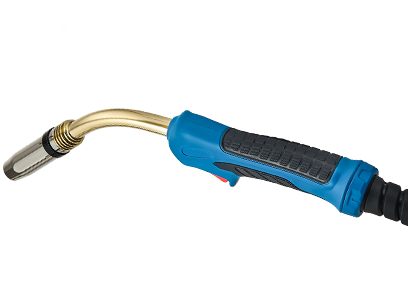
The welding gun is where the welding wire and shielding gas are mixed and directed towards the workpiece. The swan neck is part of this assembly, connecting the gun to the contact tip.
2. The Swan Neck
The swan neck is typically a curved or flexible tube that allows for a smooth and precise flow of wire and gas. Its design is crucial for maneuverability during welding.
3. The Contact Tip
The contact tip is where the welding wire exits the gun and makes contact with the workpiece. It is vital for creating an arc and initiating the welding process.
4. The Gas Diffuser
The gas diffuser helps distribute the shielding gas evenly around the weld area, providing better protection for the weld pool.
Understanding these components will help you appreciate the importance of maintaining each part, especially the swan neck, to ensure optimal performance.
The Importance of Proper Swan Neck Care
The swan neck plays a pivotal role in the welding process. Neglecting its maintenance can lead to various issues, including:
1. Poor Weld Quality
A dirty or damaged swan neck can result in inconsistent wire feed and inadequate gas shielding, leading to defects in weld quality.
2. Equipment Damage
If the swan neck is clogged or worn out, it can cause excessive strain on the welding gun, potentially leading to more significant equipment failures and costly repairs.
3. Increased Downtime
Frequent issues caused by neglecting the swan neck can lead to increased downtime for repairs, affecting productivity and workflow.
Regular care and maintenance of the swan neck can mitigate these potential issues and ensure a seamless welding experience.
Conducting Regular Inspections of Your Swan Neck
Regular inspections are the first step in maintaining the swan neck. Inspecting the component can reveal wear and tear before they lead to significant problems. Here are some steps to follow:
1. Visual Inspection
Every time you prepare to use your MIG welder, conduct a visual inspection of the swan neck. Look for signs of wear, cracks, or discoloration that indicate overheating.
2. Check for Obstructions
Ensure that there are no obstructions affecting the wire feed. A clogged swan neck can lead to inconsistent wire delivery.
3. Inspect the Flexibility
If the swan neck appears stiff or difficult to maneuver, it may require cleaning or replacement. Flexibility is essential for reaching tight spots during welding.
Cleaning and Maintenance Procedures for Swan Neck
Maintaining a clean swan neck is crucial for optimal performance. Here are some effective cleaning techniques:
1. Regular Cleaning
Use a soft brush or cloth to wipe down the exterior of the swan neck regularly. This will remove dust, debris, and spatter that can build up over time.
2. Deep Cleaning
For a deeper clean, remove the swan neck from the welding gun. Soak it in a suitable cleaning solution designed for welding equipment. Use a wire brush to clear any internal blockages, ensuring the wire feed path remains unobstructed.
3. Inspect and Replace Consumables
Frequently check and replace consumables such as contact tips and nozzles. Worn-out parts can hinder the swan neck's performance, leading to subpar welding results.
Troubleshooting Common Swan Neck Issues
Despite your best maintenance efforts, issues can still arise. Here’s how to troubleshoot common problems:
1. Inconsistent Wire Feed
If you experience erratic wire feed, check for blockages in the swan neck. Cleaning or replacing the swan neck may be necessary.
2. Poor Gas Coverage
Inadequate gas shielding may be due to a damaged or misplaced gas diffuser. Examine its positioning and check for cracks or clogs.
3. Overheating
If the swan neck is overheating, inspect for proper wire alignment. Ensure you are using the correct wire type and size for your application.
When and How to Replace Damaged Swan Neck Parts
Maintenance often involves replacing worn or damaged parts. Knowing when to replace parts and how to do so effectively is vital.
1. Signs of Damage
Cracks, excessive wear, or bends in the swan neck are signs that replacement is necessary. Do not ignore these indicators, as they can lead to more severe issues.
2. Choosing the Right Replacement
Select a replacement swan neck that matches your welder's specifications. Consult the manufacturer’s guidelines for compatibility and performance expectations.
3. Installation Process
To install a new swan neck, disconnect the welding gun from the power source. Follow the manufacturer's instructions for removing and attaching the new part, ensuring a secure fit.
Best Practices for Maintaining Your MIG Welder Swan Neck
Implementing best practices can further enhance the lifecycle and performance of your swan neck:
1. Use the Right Welding Wire
Choose a welding wire that is compatible with your specific application and welder settings. This can prevent excessive wear on the swan neck.
2. Maintain Proper Gas Flow
Ensure that your gas flow rate is set correctly for your welding application. Inadequate flow can lead to contamination and poor welds.
3. Store Properly
When not in use, store your MIG welder in a dry, dust-free environment to prevent any degradation of components, including the swan neck.
Frequently Asked Questions (FAQs)
1. How often should I clean my MIG welder's swan neck?
It’s recommended to clean the swan neck after each use to prevent buildup and ensure smooth wire feed.
2. What should I use to clean the swan neck?
Use a soft brush and suitable cleaning solution designed for welding equipment.
3. How can I tell if my swan neck needs replacing?
Look for visible cracks, significant wear, or difficulty in wire feeding. If you notice these issues, consider replacing the swan neck.
4. Are there specific types of cleaning solutions I should use?
Use non-corrosive cleaning solutions specifically formulated for welding equipment to avoid damage.
5. What are the signs of overheating in the swan neck?
Signs include discoloration, excessive spatter buildup, and difficulty in wire feeding.
Conclusion
Maintaining your MIG welder's swan neck is essential for achieving optimal welding performance and prolonging the lifespan of your equipment. By following the tips outlined in this article, including regular inspections, thorough cleaning, and timely replacements, you can ensure that your MIG welder operates efficiently and produces high-quality welds. Dedicate time to the care of your swan neck, and you will reap the benefits in your welding projects for years to come.
TAG:
Related Posts
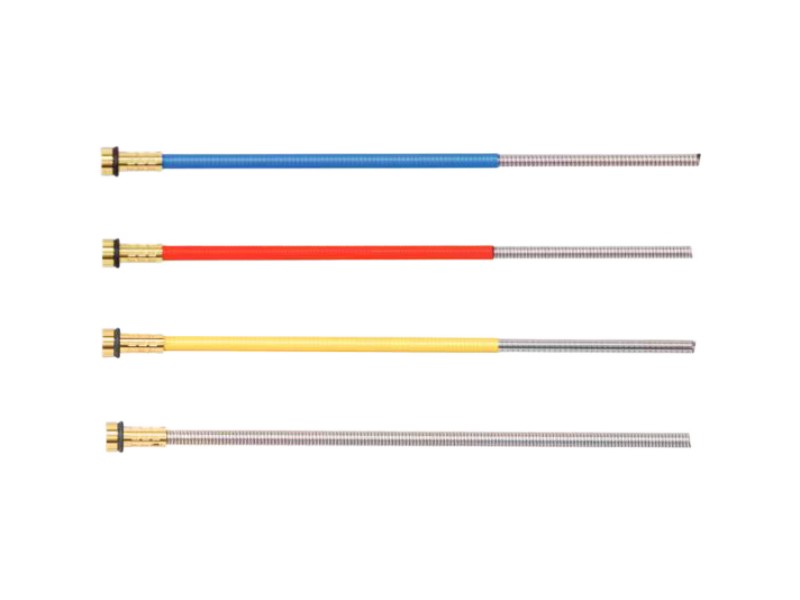
The Essential Role of MIG Welding Torch Accessories in Professional Projects
The Essential Role of MIG Welding Torch Accessories in Professional Projects
Table of Contents
1. Introduction to MIG Welding Torch Accessories
2. Importance of MIG Welding Torch Accessories in Professional Projects
3. Types of MIG Welding Torch Accessories
3.1. Nozzles
3.2. Contact Tips
3.3. Liners
3.4. Diffusers
3.
MESSAGES
We will contact you within one working day. Please pay attention to your email.
Qucik Link
Contact
WhatsApp: +8615833370366
E-mail: zhaoyiqian@trevor-welding.com
Address: No. 105 Yongming Street, Dahe Road, East of Renqiu City, Hebei, China


