
Choosing the Right MIG Welding Torch for Your Project: A Comprehensive Guide
2025-03-30


Choosing the Right MIG Welding Torch for Your Project
MIG welding, or Metal Inert Gas welding, is a popular welding process known for its speed and versatility. The right MIG welding torch is crucial for achieving optimal results in your projects. This comprehensive guide will delve into the various aspects of MIG welding torches, helping you make an informed decision that enhances your welding ef
Choosing the Right MIG Welding Torch for Your Project
MIG welding, or Metal Inert Gas welding, is a popular welding process known for its speed and versatility. The right MIG welding torch is crucial for achieving optimal results in your projects. This comprehensive guide will delve into the various aspects of MIG welding torches, helping you make an informed decision that enhances your welding efficiency and output quality.
Table of Contents
- Understanding MIG Welding Torches
- Types of MIG Welding Torches
- Key Features of MIG Welding Torches
- Selecting the Right Torch for Your Project
- Torches for Specific Materials
- Maintaining Your MIG Welding Torch
- Troubleshooting Common Issues
- Frequently Asked Questions
- Conclusion
Understanding MIG Welding Torches
MIG welding torches are essential tools used in the MIG welding process, delivering a steady stream of shielding gas and filling material to weld metals. Understanding how these torches operate can significantly impact the quality of your welds.
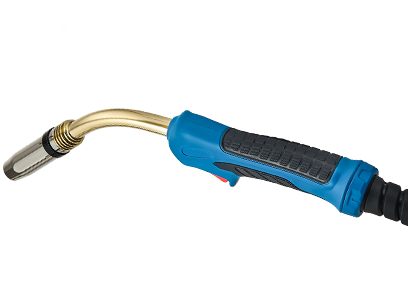
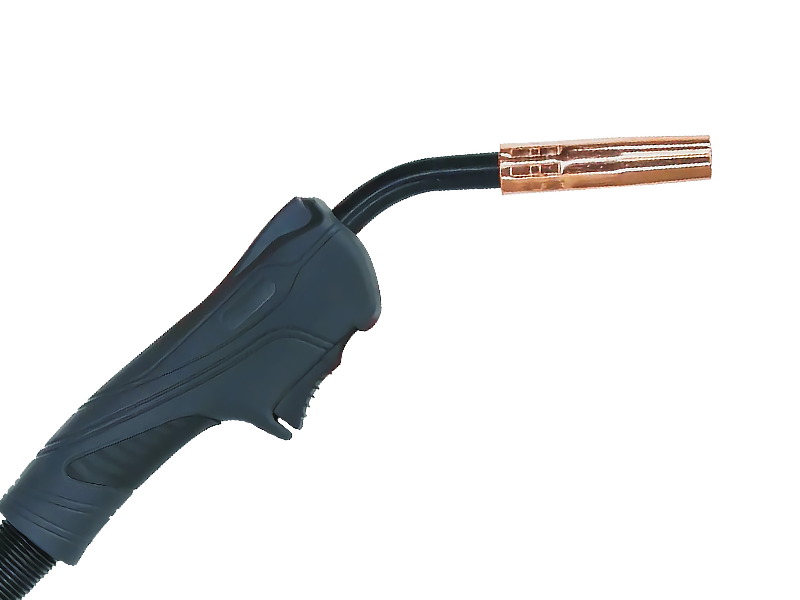
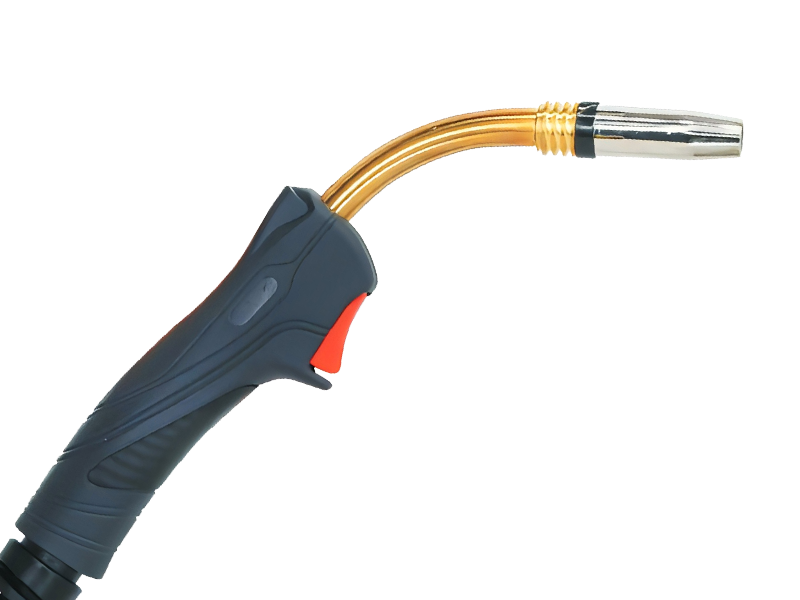
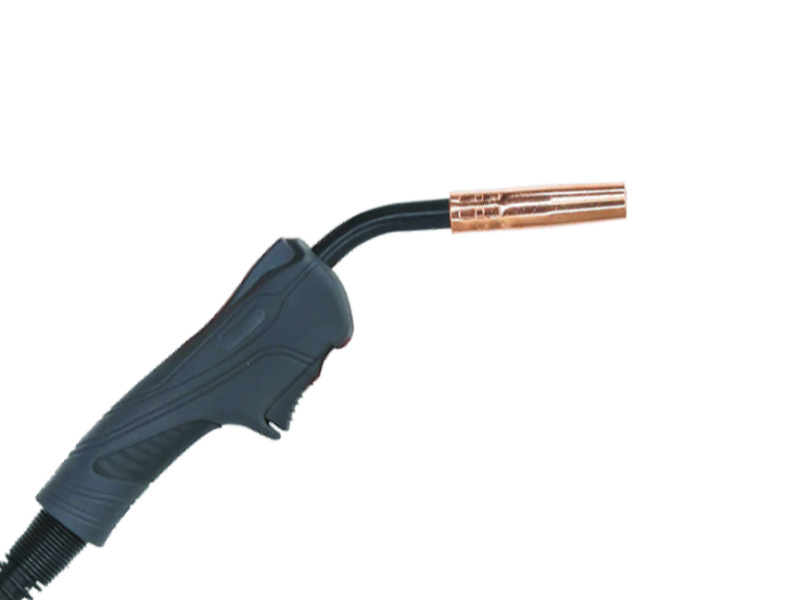
MIG welding torches consist of several key components, including the nozzle, contact tip, gas diffuser, and the handle. Each part plays a vital role in ensuring a smooth welding experience. The nozzle shields the weld from contamination, the contact tip conducts electrical current to the filler material, and the gas diffuser manages the flow of shielding gas.
Types of MIG Welding Torches
Selecting the appropriate type of MIG welding torch can determine the success of your project. There are primarily two categories of MIG welding torches: air-cooled and water-cooled.
Air-Cooled MIG Welding Torches
Air-cooled torches are lightweight and portable, making them ideal for smaller projects or jobs that require mobility. These torches rely on ambient air to cool the torch body, which limits their duty cycle. Typically, air-cooled torches are suitable for welding materials up to 1/4 inch thick.
Water-Cooled MIG Welding Torches
Water-cooled torches are designed for heavy-duty applications. They use water circulation to keep the torch cool, allowing for longer welding periods without overheating. These torches are more substantial and less portable than air-cooled models, making them ideal for professional welding settings where intense, prolonged work is required.
Key Features of MIG Welding Torches
When choosing a MIG welding torch, several features should be considered:
1. Nozzle Size
Nozzle size affects gas flow and shielding efficiency. Larger nozzles allow for better gas coverage but may be cumbersome for detailed work. Conversely, smaller nozzles facilitate precision but can limit gas coverage.
2. Contact Tip Size
The contact tip size corresponds to the diameter of the filler wire being used. It's essential to match the tip size to the wire for optimal performance. Common sizes range from 0.030 to 0.045 inches.
3. Duty Cycle
The duty cycle defines how long a torch can operate continuously before needing a break to cool down. Higher duty cycles are preferable for extensive projects, while lower duty cycles suffice for occasional use.
4. Ergonomics
A comfortable grip can reduce fatigue during extended welding sessions. Look for torches with ergonomically designed handles that provide a secure hold.
Selecting the Right Torch for Your Project
Choosing the right MIG welding torch involves considering your project requirements. Here are essential steps to guide your selection:
1. Assess Your Project Scope
Determine the materials you will be welding and the thickness. For lightweight materials, an air-cooled torch may suffice. For thicker metals or industrial applications, consider a water-cooled option.
2. Evaluate Your Work Environment
Your working environment can impact your torch choice. For mobile projects in confined spaces, lightweight air-cooled torches are beneficial. In contrast, for static setups in a workshop, water-cooled torches may be more appropriate.
3. Consider Your Welding Experience
If you're new to welding, starting with a versatile air-cooled torch may be easier. More experienced welders may prefer the capabilities of water-cooled torches for challenging applications.
Torches for Specific Materials
Different materials require specific approaches and torch configurations:
1. Mild Steel
Mild steel is the most common material in MIG welding. A standard air-cooled torch with a 0.030-inch contact tip is often suitable for light to medium applications.
2. Stainless Steel
Welding stainless steel demands precision. A water-cooled torch provides the necessary control and cooling required for thicker stainless steel parts.
3. Aluminum
Welding aluminum requires a softer touch, typically using a larger nozzle to ensure proper gas flow. A medium-duty torch with a suitable contact tip size is essential for effective welding.
Maintaining Your MIG Welding Torch
Proper maintenance is crucial for the longevity and efficiency of your MIG welding torch. Here are essential maintenance practices:
1. Regular Cleaning
After each use, clean the nozzle and contact tip to prevent spatter buildup. This maintenance ensures optimal gas flow and electrical conductivity.
2. Inspect Components
Regularly check the torch components for wear and tear. Replace the contact tip and nozzle as needed to maintain performance.
3. Ensure Proper Gas Flow
Periodically inspect gas hoses and connections for leaks. Ensure the gas flow rate is set correctly for the materials you are working with.
Troubleshooting Common Issues
Even with the best equipment, issues can arise. Here are some common problems and their solutions:
1. Poor Arc Stability
If you're experiencing erratic arcs, check the contact tip size and ensure it matches your filler wire. Additionally, verify that the gas flow rate is adequate.
2. Excessive Spatter
Excessive spatter can result from incorrect voltage settings or inappropriate wire feed speed. Adjust these parameters to minimize spatter.
3. Overheating
If your torch is overheating, consider reducing the welding time or switching to a torch with a higher duty cycle. Ensuring proper cooling will extend the lifespan of the torch.
Frequently Asked Questions
1. What is the difference between air-cooled and water-cooled MIG welding torches?
Air-cooled torches are lightweight and portable, suitable for short tasks, while water-cooled torches are heavier but provide better cooling for prolonged use.
2. How do I choose the right nozzle size for my MIG welding torch?
Select a nozzle size based on the thickness of the materials you are welding and the level of precision required for your project.
3. How often should I clean my MIG welding torch?
It's advisable to clean your torch after each use to prevent buildup that can affect performance.
4. Can I use the same torch for different materials?
Yes, but you may need to adjust the contact tip size and settings depending on the material you're welding.
5. What can I do if my MIG welding torch is overheating?
Reduce the welding time, ensure proper gas flow, and consider switching to a water-cooled torch if necessary.
Conclusion
Selecting the right MIG welding torch is essential for achieving high-quality welds in your projects. By understanding the different types, key features, and maintenance practices, you can enhance your welding experience and ensure optimal results. Take the time to assess your project needs, and you will find the perfect torch that meets your requirements, leading to successful welding outcomes every time.
TAG:
Related Posts
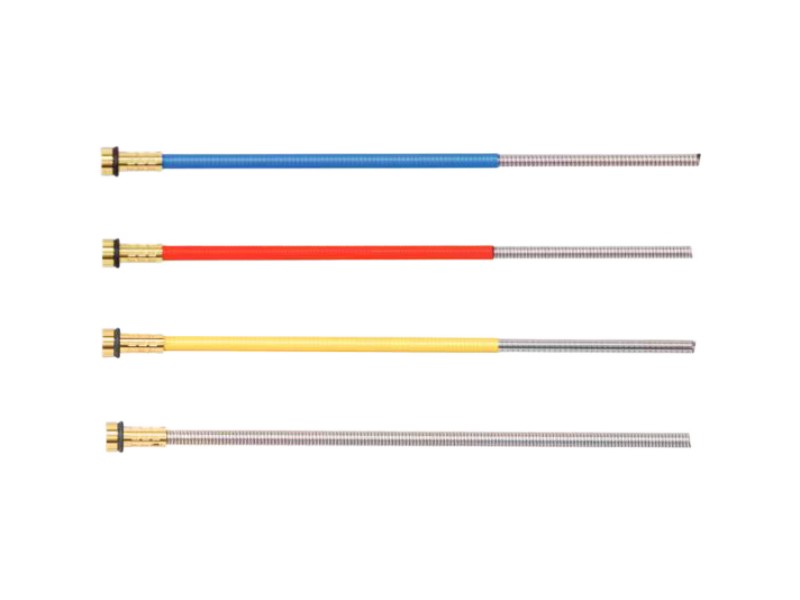
The Essential Role of MIG Welding Torch Accessories in Professional Projects
The Essential Role of MIG Welding Torch Accessories in Professional Projects
Table of Contents
1. Introduction to MIG Welding Torch Accessories
2. Importance of MIG Welding Torch Accessories in Professional Projects
3. Types of MIG Welding Torch Accessories
3.1. Nozzles
3.2. Contact Tips
3.3. Liners
3.4. Diffusers
3.
MESSAGES
We will contact you within one working day. Please pay attention to your email.
Qucik Link
Contact
WhatsApp: +8615833370366
E-mail: zhaoyiqian@trevor-welding.com
Address: No. 105 Yongming Street, Dahe Road, East of Renqiu City, Hebei, China


