
Understanding TIG Torch Hoses: Essential Components for Quality Welding
2025-01-26


When it comes to TIG (Tungsten Inert Gas) welding, the equipment you use can significantly influence the quality and efficiency of your work. One of the most important components of TIG welding equipment is the TIG torch hose. These hoses serve as conduits for shielding gas, ensuring that the weld area remains free of contaminants and oxidation, which is especially important when working with meta
When it comes to TIG (Tungsten Inert Gas) welding, the equipment you use can significantly influence the quality and efficiency of your work. One of the most important components of TIG welding equipment is the TIG torch hose. These hoses serve as conduits for shielding gas, ensuring that the weld area remains free of contaminants and oxidation, which is especially important when working with metals that are sensitive to atmospheric conditions.
TIG torch hoses are typically made from durable materials that can withstand high temperatures and pressures associated with the welding process. A common choice is rubber or thermoplastic materials, which are designed to resist abrasion and offer flexibility. This flexibility is crucial, as it allows the welder to maneuver the torch easily during operation, facilitating complex welding tasks that require precision.
The construction of a TIG torch hose often includes multiple layers. The inner layer is designed to resist the high pressure of the shielding gas, while the outer layer provides protection against wear and environmental factors. Additionally, many TIG torch hoses are designed to be kink-resistant, which helps maintain a consistent gas flow and prevents interruptions during welding.
Proper maintenance of TIG torch hoses is essential for ensuring optimal performance. Regularly inspecting the hoses for signs of wear, such as cracks or leaks, can prevent issues that could compromise weld quality. Replacing damaged hoses promptly can save time and resources in the long run. It's also advisable to keep hoses clean and free from debris, as contaminants can lead to poor welding results.
Another important aspect to consider is the length of the TIG torch hose. Longer hoses provide increased flexibility and range of motion, which can be beneficial for reaching tight spots. However, longer hoses may also lead to a decrease in gas pressure, so it's important to find a balance that suits your specific welding needs.
In summary, understanding the role of TIG torch hoses is essential for anyone involved in TIG welding. These hoses not only facilitate the delivery of shielding gas but also contribute to the overall effectiveness and quality of the welding process. By choosing the right materials, maintaining the hoses properly, and being mindful of their length, welders can enhance their performance and produce high-quality welds. Investing time in understanding TIG torch hoses will ultimately lead to better results and a more efficient welding operation.
TAG:
Related Posts
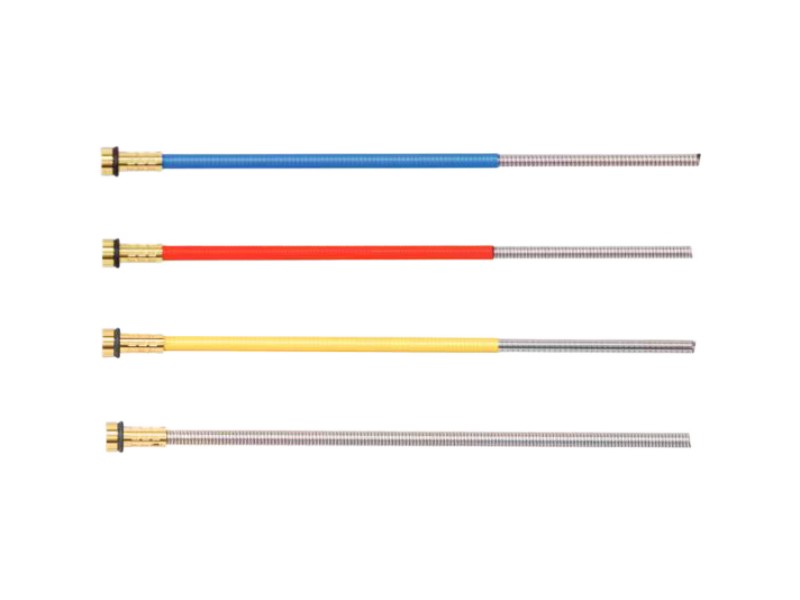
The Essential Role of MIG Welding Torch Accessories in Professional Projects
The Essential Role of MIG Welding Torch Accessories in Professional Projects
Table of Contents
1. Introduction to MIG Welding Torch Accessories
2. Importance of MIG Welding Torch Accessories in Professional Projects
3. Types of MIG Welding Torch Accessories
3.1. Nozzles
3.2. Contact Tips
3.3. Liners
3.4. Diffusers
3.
MESSAGES
We will contact you within one working day. Please pay attention to your email.
Qucik Link
Contact
WhatsApp: +8615833370366
E-mail: zhaoyiqian@trevor-welding.com
Address: No. 105 Yongming Street, Dahe Road, East of Renqiu City, Hebei, China


