
MIG Welding Torches: A Comprehensive Beginner's Guide to Mastering the Art of Welding
2026-08-14


MIG Welding Torches: A Comprehensive Beginner's Guide to Mastering the Art of Welding
Table of Contents
1. Introduction to MIG Welding Torches
2. What is MIG Welding?
3. Components of a MIG Welding Torch
4. Types of MIG Welding Torches
5. How to Choose the Right MIG Welding Torch
6. Setting Up Your MIG Welding Torch
7. Common MIG Welding Techniques for Beginners
8. Maintaining
MIG Welding Torches: A Comprehensive Beginner's Guide to Mastering the Art of Welding
Table of Contents
- 1. Introduction to MIG Welding Torches
- 2. What is MIG Welding?
- 3. Components of a MIG Welding Torch
- 4. Types of MIG Welding Torches
- 5. How to Choose the Right MIG Welding Torch
- 6. Setting Up Your MIG Welding Torch
- 7. Common MIG Welding Techniques for Beginners
- 8. Maintaining Your MIG Welding Torch
- 9. Frequently Asked Questions
- 10. Conclusion
1. Introduction to MIG Welding Torches
MIG (Metal Inert Gas) welding is one of the most popular welding processes due to its versatility and ease of use. For beginners stepping into the realm of welding, understanding the essential tools, particularly the MIG welding torch, is critical for success. This guide aims to provide a thorough understanding of MIG welding torches, equipping you with the knowledge to start your welding journey confidently.
2. What is MIG Welding?
MIG welding is a process that uses a continuous wire feed as an electrode, combined with a shielding gas to protect the weld pool from contamination. This method allows for faster welding speeds and works well on a variety of materials, including steel, aluminum, and stainless steel. The key benefits of MIG welding include:
- Speed: MIG welding is typically faster than other welding processes, making it ideal for large projects.
- Ease of Use: The process is straightforward, making it a great choice for beginners.
- Clean Finish: The shielding gas helps produce cleaner welds with less spatter.
3. Components of a MIG Welding Torch
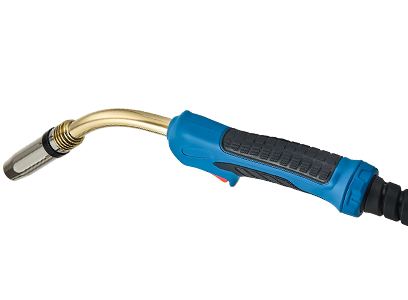
Understanding the components of a MIG welding torch is essential for effectively operating and maintaining the tool. The main parts include:
The Electrode Holder
The electrode holder is where the welding wire is fed through. It is designed to securely hold the wire as it is melted to form welds.
The Contact Tip
The contact tip is the part that comes into direct contact with the welding wire. It is crucial for transferring the electrical current necessary for welding.
The Nozzle
The nozzle surrounds the contact tip and directs the shielding gas over the weld area, providing protection from contamination.
Gas Diffuser
This component ensures that the shielding gas flows evenly around the welding area, promoting a clean weld.
Trigger and Handle
The trigger is used to start and stop the flow of electricity and gas, while the handle provides a comfortable grip for the welder.
4. Types of MIG Welding Torches
MIG welding torches come in various types, each designed for specific applications. Understanding these types can help you choose the best one for your needs.
Air-Cooled MIG Welding Torches
These torches are lightweight and ideal for projects requiring less intensive welding. They rely on air to cool the components and are suitable for home use or light fabrication.
Water-Cooled MIG Welding Torches
Water-cooled torches are designed for heavy-duty applications. They use water to cool the components, allowing for higher amperage and longer welding durations. These torches are common in industrial settings.
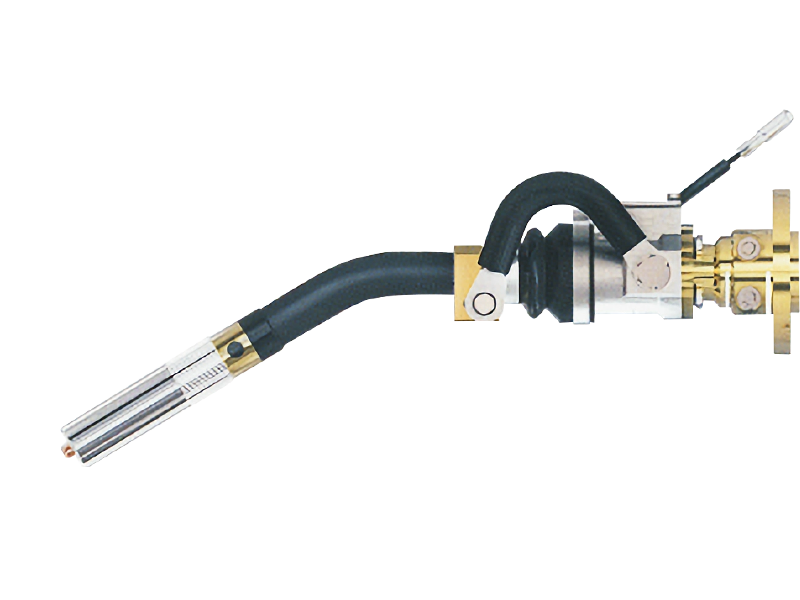
Push-Pull MIG Welding Torches
These specialized torches feature a push-pull mechanism that helps feed the wire smoothly, making them ideal for welding aluminum and other soft metals.
5. How to Choose the Right MIG Welding Torch
Selecting the right MIG welding torch depends on several factors. Here are some key considerations:
Welding Material
Consider the type of materials you will be welding. For example, if you plan to work with aluminum, a push-pull torch may be the best option.
Welding Thickness
Assess the thickness of the materials. Thicker materials may require a water-cooled torch to handle the increased heat.
Comfort and Ergonomics
Choose a torch that feels comfortable in your hand, as you will be using it for extended periods. Look for features like padded handles and lightweight designs.
6. Setting Up Your MIG Welding Torch
Once you have chosen the appropriate MIG welding torch, the next step is setting it up properly. Follow these steps:
Gather Necessary Tools
Ensure you have all needed tools and materials, including your MIG welding machine, shielding gas, and appropriate welding wire.
Assemble the Torch
Carefully assemble the torch components, ensuring the contact tip is securely attached and the nozzle is properly positioned.
Connect the Torch to the Welding Machine
Attach the torch to the MIG welding machine, ensuring a secure connection. Follow the manufacturer's instructions for best practices.
Test the Gas Flow
Before beginning your welding project, test the gas flow to ensure it is functioning correctly. Adjust the flow rate as necessary based on the material and thickness you are working with.
7. Common MIG Welding Techniques for Beginners
Mastering MIG welding requires practice and technique. Here are some common techniques to help beginners get started:
The Weaving Technique
This technique involves moving the torch in a weaving motion to create a wider weld bead. It's particularly useful for filling gaps and controlling the heat input.
The Stringer Bead Technique
This technique consists of moving the torch in a straight line, creating a narrow weld bead. It is best for thin materials or when precise control is needed.
Travel Speed and Angle
Maintaining the correct travel speed and angle is crucial for achieving the desired weld quality. A slower travel speed can lead to deeper penetration, while a faster speed will produce a shallower weld.
8. Maintaining Your MIG Welding Torch
Regular maintenance of your MIG welding torch is essential to ensure optimal performance and longevity. Here are some maintenance tips:
Regular Cleaning
Clean the contact tip and nozzle frequently to prevent buildup and ensure smooth operation. Use a wire brush or appropriate cleaning tool to remove any debris.
Inspect Components
Regularly inspect the torch components for wear or damage. Replace any worn-out parts to maintain proper functionality.
Proper Storage
Store your MIG welding torch in a clean, dry location to protect it from damage and contamination. Avoid leaving it exposed to excessive heat or moisture.
9. Frequently Asked Questions
What is the best MIG welding torch for beginners?
For beginners, an air-cooled MIG welding torch is typically the best choice due to its lightweight design and ease of use.
How do I know what size contact tip to use?
The size of the contact tip varies depending on the thickness of the wire you are using. Check the specifications of your welding wire and choose the corresponding tip size.
Can I use a MIG welding torch for other types of welding?
MIG welding torches are specifically designed for MIG welding. While some components may be used in other welding processes, it's best to use a torch designed for the specific type of welding you are performing.
How often should I replace the contact tip?
Replace the contact tip as needed, typically when you notice signs of wear or if it becomes clogged. Regular inspection can help determine when a replacement is necessary.
What safety precautions should I take while using a MIG welding torch?
Always wear appropriate personal protective equipment (PPE), including a welding helmet, gloves, and flame-resistant clothing. Ensure proper ventilation in your workspace to avoid inhaling harmful gases.
10. Conclusion
MIG welding is an accessible and efficient welding method for beginners. Understanding the components and functionality of MIG welding torches is crucial to getting started on your welding projects. By selecting the right torch, mastering essential techniques, and performing regular maintenance, you can develop your skills and create high-quality welds. Armed with the information in this comprehensive guide, you're well on your way to becoming a proficient MIG welder. Embrace the journey, practice regularly, and watch your welding skills flourish.
TAG:
Related Posts
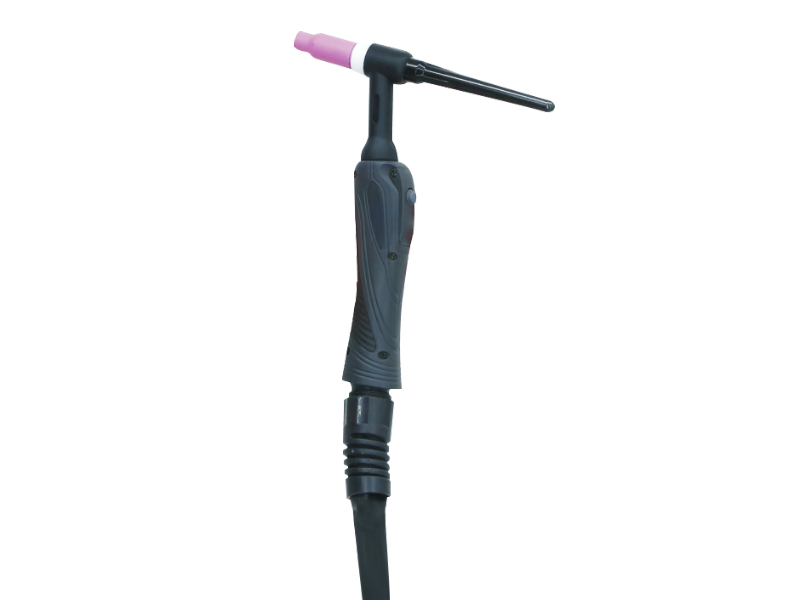
Mastering the Weldcraft TIG Torch: Essential Insights for Professionals
When it comes to precision welding, the Weldcraft TIG torch stands out as a vital tool for professionals. Understanding its features, applications, and maintenance tips can significantly enhance your welding experience, leading to better results and increased productivity.
The Weldcraft TIG torch is designed for tungsten inert gas (TIG) welding, which is known for its ability to produce high-quali


MESSAGES
We will contact you within one working day. Please pay attention to your email.
Qucik Link
Contact
WhatsApp: +8615833370366
E-mail: zhaoyiqian@hrwelding.cn
Address: No. 105 Yongming Street, Dahe Road, East of Renqiu City, Hebei, China