
Understanding the Essential Components of a Water Cooled TIG Torch for Optimal Welding Performance
2026-03-29


Understanding the Essential Components of a Water Cooled TIG Torch for Optimal Welding Performance
Table of Contents
1. Introduction to Water Cooled TIG Torches
2. What is TIG Welding?
3. Importance of Water Cooling in TIG Welding
4. Main Components of Water Cooled TIG Torches
4.1 Torch Body
4.2 Electrode
4.3 Nozzle
4.4 Coll
Understanding the Essential Components of a Water Cooled TIG Torch for Optimal Welding Performance
Table of Contents
- 1. Introduction to Water Cooled TIG Torches
- 2. What is TIG Welding?
- 3. Importance of Water Cooling in TIG Welding
- 4. Main Components of Water Cooled TIG Torches
- 5. Advantages of Using Water Cooled TIG Torches
- 6. Choosing the Right Water Cooled TIG Torch
- 7. Maintenance Tips for Water Cooled TIG Torches
- 8. Conclusion
- 9. Frequently Asked Questions
1. Introduction to Water Cooled TIG Torches
Water cooled TIG torches are a crucial component for professional welders seeking precision and efficiency in their work. Unlike air cooled torches, water cooled options allow for extended use without overheating, making them ideal for heavy-duty applications. This article explores the essential components of a water cooled TIG torch, providing insights into their operation and benefits.
2. What is TIG Welding?
TIG welding, or Tungsten Inert Gas welding, is a process that utilizes a non-consumable tungsten electrode to produce the weld. A shielding gas, typically argon, protects the weld area from atmospheric contamination. The precise control offered by TIG welding makes it suitable for thin materials and intricate projects, including automotive repairs and artistic metalwork.
3. Importance of Water Cooling in TIG Welding
The significance of water cooling in TIG welding cannot be overstated. High temperatures generated during welding can lead to equipment failure or compromise weld quality. Water cooled torches effectively dissipate heat, ensuring consistent performance and prolonging the lifespan of the torch. This cooling mechanism is particularly advantageous during long welding sessions, where heat buildup is a concern.
4. Main Components of Water Cooled TIG Torches
Understanding the components of a water cooled TIG torch is essential for optimal operation. Each part plays a specific role in the welding process.
4.1 Torch Body
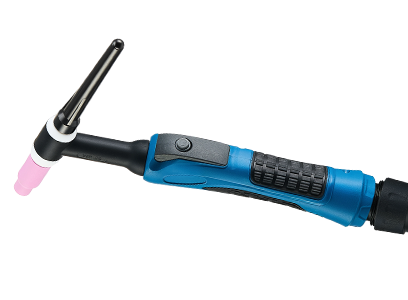
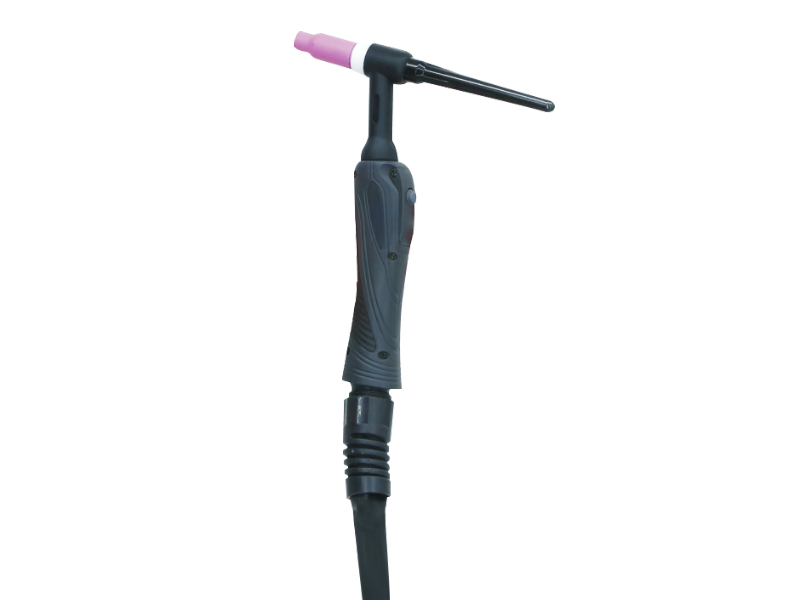
The torch body serves as the main structure housing the internal components. Typically made of durable materials, it provides insulation and supports the cooling system. The design of the torch body affects the user's grip and maneuverability, making it an essential part of the overall welding experience.
4.2 Electrode
The tungsten electrode is pivotal in creating the arc necessary for welding. Its composition and diameter vary depending on the application, with pure tungsten or alloyed options available. The electrode must be properly sharpened to enhance arc stability and performance, which is crucial for achieving high-quality welds.
4.3 Nozzle
The nozzle directs the shielding gas around the weld area, protecting it from contamination. Nozzles come in different sizes, which can affect the gas flow and coverage. Choosing the right nozzle size is essential to maintain a stable arc and achieve clean welds.
4.4 Collet and Collet Cone
The collet and collet cone secure the tungsten electrode in place within the torch. Collets are available in various sizes to accommodate different electrode diameters. A well-fitted collet ensures that the electrode remains stable during operation, preventing irregularities in the welding process.
4.5 Water Cooling System
The water cooling system consists of hoses and a water reservoir that circulates coolant through the torch. This system is crucial for maintaining optimal temperatures during welding. A well-designed cooling system enhances the torch's performance and extends its operational life, making it a key component of water cooled TIG torches.
5. Advantages of Using Water Cooled TIG Torches
Water cooled TIG torches offer several advantages over air cooled options:
- **Extended Duty Cycle**: The ability to run for longer periods without overheating allows for more efficient welding.
- **Improved Heat Management**: Effective cooling reduces the risk of damage to the torch and enhances overall performance.
- **Versatility**: Suitable for a wide range of materials and applications, water cooled torches are ideal for projects requiring precision and strength.
- **Reduced Maintenance Needs**: With lower temperatures, the components experience less wear and tear, resulting in fewer repairs and replacements.
6. Choosing the Right Water Cooled TIG Torch
Selecting the appropriate water cooled TIG torch depends on various factors, including:
- **Welding Applications**: Consider the type of materials and thicknesses you will be working with. A larger torch may be needed for thicker materials.
- **Comfort and Ergonomics**: Choose a torch that feels comfortable in your hand, as this will affect your control and precision.
- **Compatibility with Equipment**: Ensure that the torch is compatible with your welding machine and water cooling system for optimal performance.
7. Maintenance Tips for Water Cooled TIG Torches
Maintaining your water cooled TIG torch is essential for long-term performance. Here are some tips:
- **Regular Inspections**: Check for wear and tear on components, especially the electrode and nozzle, and replace them as needed.
- **Clean the Torch**: After each use, clean the torch body and components to remove any contamination or debris.
- **Monitor the Cooling System**: Ensure that the water cooling system operates efficiently by regularly checking for leaks and maintaining proper coolant levels.
8. Conclusion
Understanding the components of a water cooled TIG torch is vital for any welder looking to enhance their skills and improve their welding results. By familiarizing yourself with each part and its function, you can make informed decisions about your equipment, leading to more efficient and effective welding practices. Investing in a quality water cooled TIG torch not only optimizes your performance but also extends the life of your equipment.
9. Frequently Asked Questions
What is the primary benefit of using a water cooled TIG torch?
The primary benefit is the ability to weld for extended periods without overheating, which improves overall performance and efficiency.
How often should I replace the tungsten electrode?
The tungsten electrode should be replaced whenever it becomes worn or damaged, which can vary depending on usage.
Can I use a water cooled TIG torch for aluminum welding?
Yes, water cooled TIG torches are highly effective for aluminum welding, providing better heat control and cleaner welds.
What type of coolant is recommended for the water cooling system?
Typically, distilled water is recommended, sometimes mixed with antifreeze to prevent freezing in colder environments.
Is it necessary to have a water cooling system for TIG welding?
While not strictly necessary, a water cooling system significantly enhances the torch's performance, especially in heavy-duty applications, making it highly recommended for professional welders.
TAG:
Related Posts
The Environmental Impact of Using Water Cooled TIG Torches: Sustainable Welding Practices
The Environmental Impact of Using Water Cooled TIG Torches
Water cooled TIG (Tungsten Inert Gas) torches are a staple in the welding industry, known for their efficiency and effectiveness. However, as industries increasingly prioritize sustainability and environmental responsibility, it’s crucial to examine the environmental impact of using these tools. This article delves into the various aspects


MESSAGES
We will contact you within one working day. Please pay attention to your email.
Qucik Link
Contact
WhatsApp: +8615833370366
E-mail: zhaoyiqian@hrwelding.cn
Address: No. 105 Yongming Street, Dahe Road, East of Renqiu City, Hebei, China