
Essential Guide to TIG Torch Hoses: Understanding Their Role in Welding
2026-08-05


When it comes to TIG welding, the TIG torch hose plays an integral role in ensuring a smooth and efficient welding process. Understanding the function and characteristics of these hoses can significantly enhance your welding experience and outcomes.
TIG (Tungsten Inert Gas) welding is a popular method known for producing high-quality welds on various materials, such as stainless steel and aluminum
When it comes to TIG welding, the TIG torch hose plays an integral role in ensuring a smooth and efficient welding process. Understanding the function and characteristics of these hoses can significantly enhance your welding experience and outcomes.
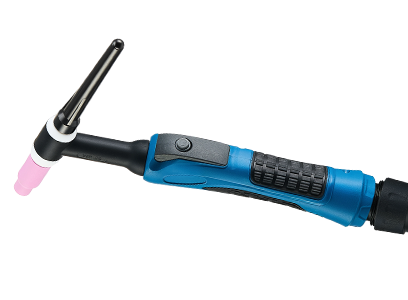
TIG (Tungsten Inert Gas) welding is a popular method known for producing high-quality welds on various materials, such as stainless steel and aluminum. The TIG torch itself is equipped with a hose that connects to a gas supply, delivering an inert shielding gas, typically argon, to protect the weld pool from contamination. This gas shield is crucial for achieving clean and strong welds, making the quality of the TIG torch hose essential.
One of the primary considerations when selecting a TIG torch hose is the material. The most common materials used for these hoses include rubber and thermoplastic. Rubber hoses are known for their flexibility and durability, while thermoplastic options are lighter and more resistant to certain chemicals. Choosing the right material can impact the hose's longevity and performance in various welding environments.
Another important aspect is the diameter of the hose. The diameter must be compatible with the TIG torch to ensure uninterrupted gas flow. A properly sized hose minimizes the risk of gas leaks or pressure drops, which can adversely affect the weld quality. It’s advisable to consult the specifications of your TIG torch to determine the appropriate hose diameter.
Maintenance of TIG torch hoses is also crucial for optimal performance. Regularly inspect the hoses for signs of wear, such as cracks or abrasions. If any damage is found, it’s essential to replace the hose immediately to prevent gas leaks that could compromise the welding process. Additionally, keeping the hoses clean and free of obstructions will help maintain a consistent gas flow.
It's also worth considering the length of the TIG torch hose. Longer hoses provide more flexibility in movement but may increase the risk of kinking or tangling. Therefore, it's important to find a balance that allows for mobility without sacrificing performance.
In conclusion, understanding the significance of TIG torch hoses in the welding process is key to achieving high-quality results. By selecting the right material, ensuring proper sizing, and maintaining the hoses, welders can enhance their efficiency and effectiveness in various welding applications. Whether you're a professional or a DIY enthusiast, investing time in understanding your TIG torch hose will lead to better outcomes in your welding projects.
TIG (Tungsten Inert Gas) welding is a popular method known for producing high-quality welds on various materials, such as stainless steel and aluminum. The TIG torch itself is equipped with a hose that connects to a gas supply, delivering an inert shielding gas, typically argon, to protect the weld pool from contamination. This gas shield is crucial for achieving clean and strong welds, making the quality of the TIG torch hose essential.
One of the primary considerations when selecting a TIG torch hose is the material. The most common materials used for these hoses include rubber and thermoplastic. Rubber hoses are known for their flexibility and durability, while thermoplastic options are lighter and more resistant to certain chemicals. Choosing the right material can impact the hose's longevity and performance in various welding environments.
Another important aspect is the diameter of the hose. The diameter must be compatible with the TIG torch to ensure uninterrupted gas flow. A properly sized hose minimizes the risk of gas leaks or pressure drops, which can adversely affect the weld quality. It’s advisable to consult the specifications of your TIG torch to determine the appropriate hose diameter.
Maintenance of TIG torch hoses is also crucial for optimal performance. Regularly inspect the hoses for signs of wear, such as cracks or abrasions. If any damage is found, it’s essential to replace the hose immediately to prevent gas leaks that could compromise the welding process. Additionally, keeping the hoses clean and free of obstructions will help maintain a consistent gas flow.
It's also worth considering the length of the TIG torch hose. Longer hoses provide more flexibility in movement but may increase the risk of kinking or tangling. Therefore, it's important to find a balance that allows for mobility without sacrificing performance.
In conclusion, understanding the significance of TIG torch hoses in the welding process is key to achieving high-quality results. By selecting the right material, ensuring proper sizing, and maintaining the hoses, welders can enhance their efficiency and effectiveness in various welding applications. Whether you're a professional or a DIY enthusiast, investing time in understanding your TIG torch hose will lead to better outcomes in your welding projects.
TAG:
Related Posts

MIG Welding Made Easy: The Swan Neck Advantage
MIG Welding Made Easy: The Swan Neck Advantage
Table of Contents
What is MIG Welding?
Understanding the Swan Neck Design
Advantages of Swan Neck MIG Torches
Applications of Swan Neck MIG Welding
How to Choose the Right Swan Neck Torch
Common Mistakes and How to Avoid Them
Maintenance Tips for Swan Neck Torches
Frequently Asked Questions
What is MIG Welding?
MIG welding, or Metal

MESSAGES
We will contact you within one working day. Please pay attention to your email.
Qucik Link
Contact
WhatsApp: +8615833370366
E-mail: zhaoyiqian@hrwelding.cn
Address: No. 105 Yongming Street, Dahe Road, East of Renqiu City, Hebei, China